

Aussies love two things on weekends: sport and sun. But this time, the sun isn’t playing on our team. With a slow-moving high-pressure system baking NSW and the country’s east, weekend sport is heading into one of the most extreme heat events in recent memory. BOM forecasts temperatures blasting past 40°C in Western Sydney, while The Guardian reports Sydney’s CBD will hover in the mid-30s for hours at a time. The heatwave may peak on Saturday before a long-awaited cool change arrives Sunday, but the danger period is real and stretches across every field, pitch, and oval. For athletes, parents, and coaches, this weekend won’t be about winning—it’ll be about surviving the conditions (Weekend sport heat risks).
A Heatwave Built Like a Boss-Level Encounter –Weekend sport heat risks

This heatwave isn’t a quick burst; it’s a stacked, multi-phase weather event shaped by a high-pressure system parked near the Tasman Sea. According to the SMH, it’s dragging in scorching inland air, dropping humidity to almost desert-like levels, and setting up two to three days of relentless heat. For weekend sport, the cumulative effect is the real enemy. Athletes fatigued on Friday may enter Saturday already dehydrated, even before stepping onto the field.
Why Outdoor Sport Faces Risks Long Before Kick-Off (Weekend sport heat risks)
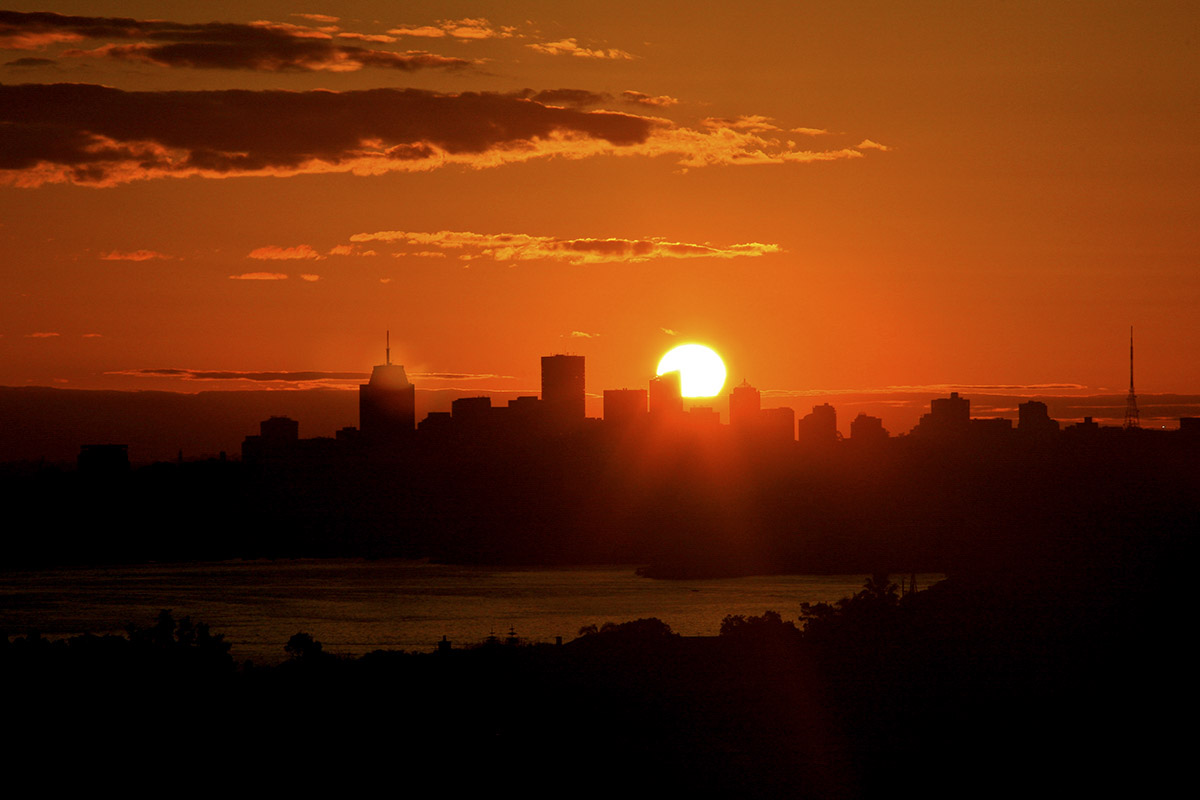
Cricket, soccer, footy training, tennis, and junior carnivals all push players into the hottest hours of the day. 7News reports that Penrith may reach 41°C on Saturday, which is well above recommended thresholds for safe sport. Under these extremes, sweat evaporates too quickly to cool the body, and players may not recognise signs of heat exhaustion until it becomes dangerous. Coaches have been warned to shorten matches, increase breaks, and consider shifting games to dawn or evening windows.
Extreme Heat + Extreme Fire Danger = Weekend Chaos –Weekend sport heat risks

Fire danger is set to explode across NSW as hot winds and low humidity grip regions like the Hunter, Illawarra, Central West, and Riverina. Sky News reported that several areas already face total fire bans, and any spark—whether from nearby land, carparks, or electrical units—could escalate fast. Many sports grounds sit close to bushland corridors or dry grass pockets. Clubs may cancel matches, not only for player safety but due to evacuation risks.
Weekend Sport Crowds Will Flock to Water—and That Brings New Risks

When sport is cancelled, families often migrate to beaches, rivers, or public pools. But ABC has warned that heatwaves often correlate with an increase in drowning incidents. As exhausted bodies struggle with heat stress after arriving at the water. Lifeguards expect packed beaches as people try to escape the conditions, and authorities. These are urging caution: hydration, shade, and regular rests matter just as much in the water as on the field.
Ambulance Services Prepare for a Spike in Heat-Related Emergencies

NSW Ambulance says heatwaves can trigger medical crises faster than people realise, especially when sport is involved. Players may push through heat stress until symptoms escalate. Emergency teams are preparing for increased calls related to dizziness, collapses, nausea, and dehydration. Heatwaves remain Australia’s deadliest natural hazard, a fact often overshadowed by bushfires and storms, yet the danger is clear every summer.
This weekend’s heatwave is shaping up to be more than uncomfortable—it’s potentially dangerous for anyone playing, coaching, or watching sport outdoors. With temperatures soaring across NSW, the best strategy isn’t about outplaying the opposition but outsmarting the weather. Whether it’s shifting game times, cancelling fixtures, or encouraging teams to embrace recovery-focused activities, the priority is keeping communities safe. Sport will return in full once the cool change arrives, but pushing through extreme heat isn’t bravery—it’s unnecessary risk.


