

For months, GLP-1 medications such as Ozempic and Mounjaro have dominated Australian news feeds, TikTok discussions, and GP waiting rooms. This week, however, an announcement from the Therapeutic Goods Administration has shifted the conversation into more serious territory (Australia weight-loss warning).
While these drugs remain highly popular—particularly among young women balancing work, study, and weight-management goals—the TGA’s December 2025 update introduced an unexpected concern. Mounjaro may reduce the effectiveness of oral contraceptive pills. This finding surprised many Australians who believed the main risks were limited to nausea or appetite changes. New evidence on delayed gastric emptying has now prompted regulatory action.
At the same time, broader mental-health warnings have been applied across the entire GLP-1 drug class, including Ozempic. These updates do not signal panic, but they do reflect a clear shift toward tighter national oversight and more cautious use, rather than treating these medications as low-risk lifestyle solutions.
A New Contraception Warning Unique to Mounjaro –Australia weight-loss warning

Unlike Ozempic or Wegovy, Mounjaro delays stomach emptying to such an extent that the absorption of oral medications may become unpredictable. The Guardian highlighted this risk in early December, noting that contraceptive pills, which rely on consistent absorption windows, are particularly vulnerable. As a result, the TGA now instructs women to use non-oral contraception or add backup protection—like condoms—for four weeks after starting Mounjaro and after each dose escalation. For many Aussies balancing life, study, and relationships, this new detail suddenly makes conversations about medication timing far more intricate.
Why Women Across Australia Feel Blindsided (Australia weight-loss warning)

ABC News reported that women were among the most frequent new adopters of GLP-1 weight-loss drugs throughout 2024 and 2025, partly due to the convenience and strong clinical outcomes. However, with the TGA now emphasising contraception requirements, many female patients say they were never warned about the potential interaction during initial consultations. Some GPs admit they were unaware of how significant the gastric-emptying effect could be, which has raised concerns about inconsistent counselling across the country.
The Mental-Health Warning That Applies to All GLP-1 Drugs :Australia weight-loss warning
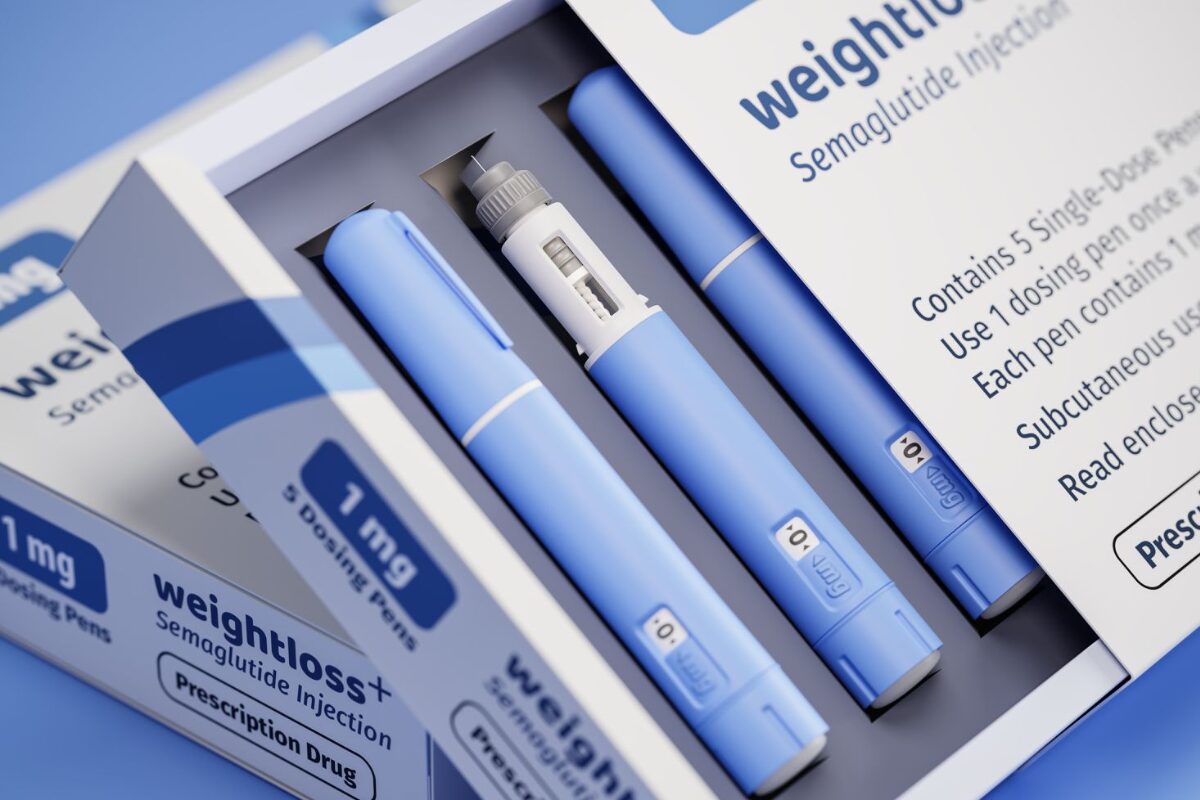
In addition to the contraception alert, every GLP-1 medication—from Ozempic to Wegovy to Saxenda—now carries mental-health warnings. These include reports of depression, suicidal thoughts, and sudden mood changes, although regulators caution that the data remains inconclusive. Still, the TGA’s decision reflects a global trend: Europe, Britain, and the United States are all reassessing psychiatric risks linked to rapid weight loss and hormonal fluctuations. Australian clinicians are urging patients not to panic but to stay observant and proactive about their emotional wellbeing.
GP Responsibilities Are Growing Rapidly

The RACGP has already responded to the warnings by encouraging doctors to conduct mental-health screenings before prescribing GLP-1 medications. Additionally, GPs must now ask about contraception during Mounjaro consultations, a step that was previously overlooked in weight-loss management. Aussie clinics anticipate longer appointment times, especially during dose titration periods, because monitoring requirements have effectively doubled.
Why the TGA Issued This Warning Now

The Age reported that more than two million GLP-1 prescriptions were filled in Australia this year alone, and this unprecedented surge in use has supplied regulators with richer, real-world safety data. Combined with recent WHO-linked research and several public cases of psychiatric distress, the TGA decided early warning beats late correction. This isn’t a ban, nor a recall, but a strategic move to ensure Australians aren’t blindsided by preventable risks.
Australia’s latest weight-loss drug warning highlights a shift toward more transparent consumer safety rather than panic-driven restriction. While Mounjaro’s contraception warning may feel abrupt for many women, it reflects evolving scientific understanding and a commitment to safeguarding patients’ long-term wellbeing. By pairing this with mental-health alerts across the GLP-1 class, the TGA is signalling a new era of oversight—one that supports access while ensuring Australians make informed, confident decisions about their health.


