

IIf you’ve ever flown through a regional airport, you know the rhythm — you check in quickly, wait a short moment for boarding, and enjoy the calmer pace that smaller terminals usually offer. That sense of ease disappeared in seconds at Rockhampton Airport when a suspicious item stopped the security line and triggered a full evacuation (Rockhampton Airport travel disruption).
Travellers who expected to board soon suddenly had to leave the terminal. Staff guided them onto the tarmac with almost no explanation. As emergency crews rushed to assess the threat, passengers tried to manage their own fear, frustration, and the long wait ahead. Many relied on vague announcements that offered little clarity about what was actually happening.
The scene that morning revealed far more than a headline. It showed the human side of a security scare — the confusion, the pressure, and the emotional strain that hundreds of Australians carried with them throughout the day.
Confusion Spread Faster Than Information :Rockhampton Airport travel disruption
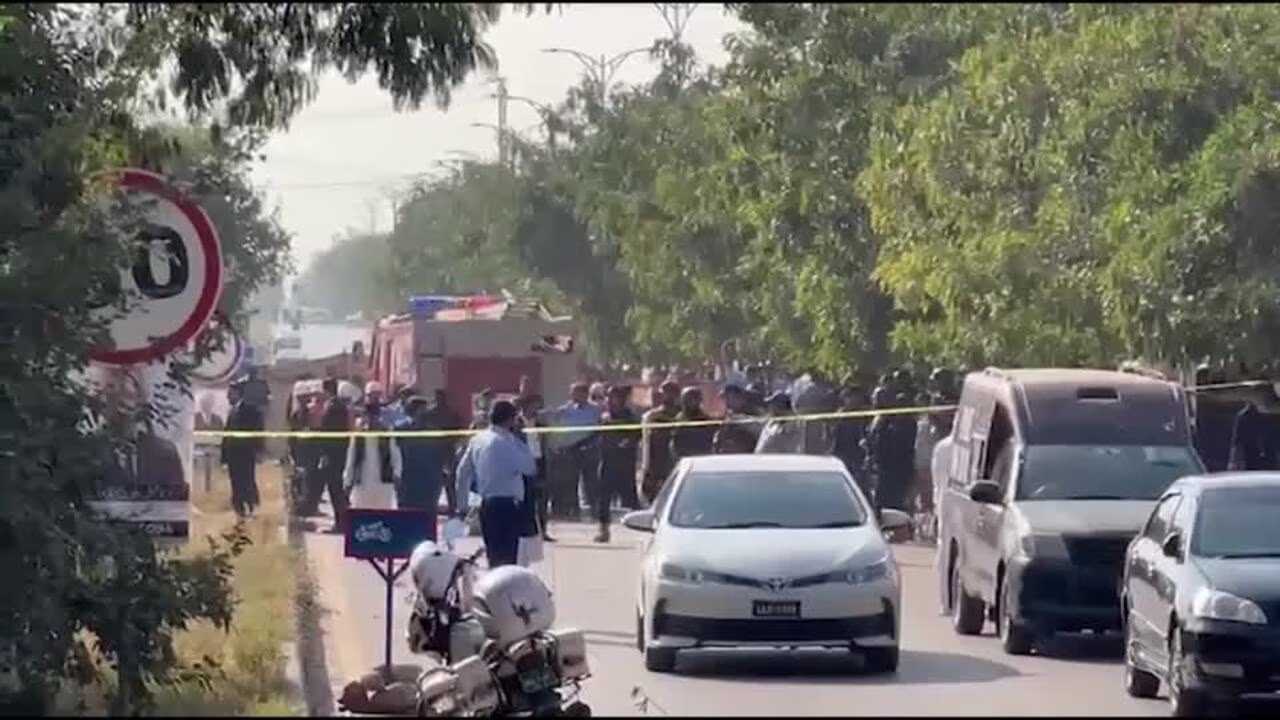
Eyewitness reports from The Nightly and Daily Mail Australia, describe the moment the situation shifted. One traveller said everything “just stopped.” Security officers paused screening without warning. They told people to leave their belongings behind, but the instructions that followed were inconsistent. Many passengers only learned about the “security threat” through social media, not from airport staff.
This communication gap created unnecessary stress. Families with young children struggled most because they couldn’t tell whether the situation was dangerous or simply precautionary.
Rockhampton Airport travel disruption: Standing in the Heat With No Clear Timeline
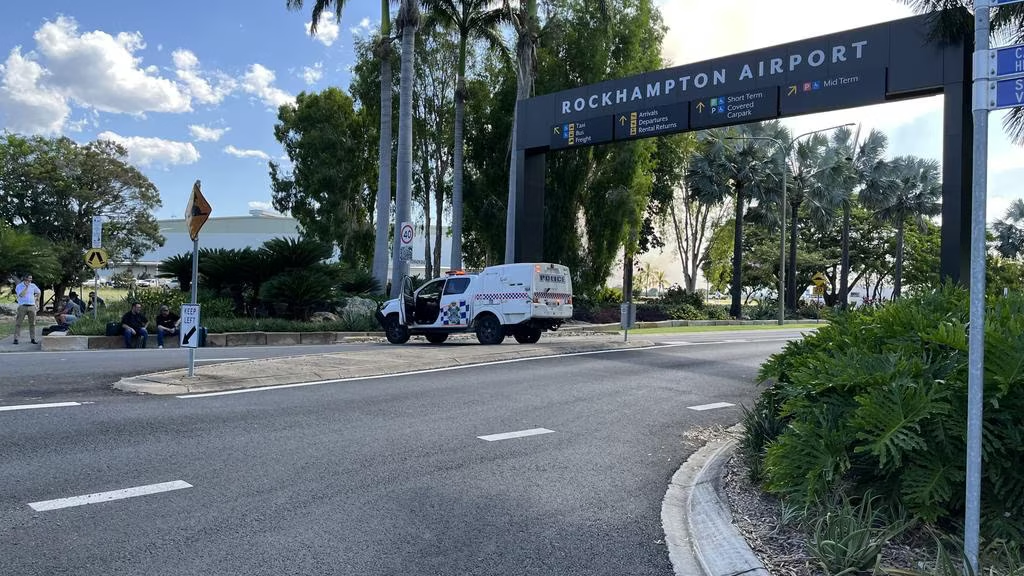
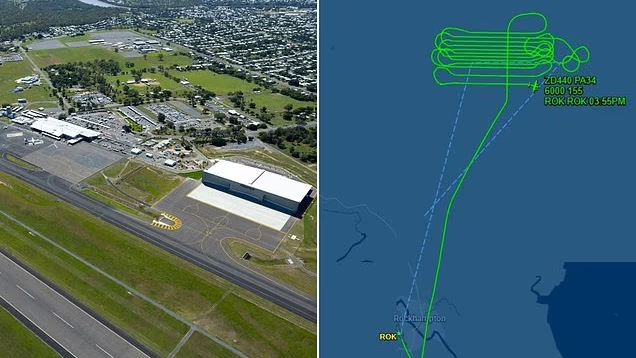
Security teams moved travellers into open-air holding areas. People waited there for nearly two hours while Queensland Police and emergency crews examined the suspicious item. The temperature climbed, but the airport didn’t have enough shaded areas to keep everyone comfortable. Older passengers and those with medical needs said staff tried their best to help, but the environment simply wasn’t equipped to handle such a large crowd outdoors.
Rockhampton Airport travel disruption: The Emotional Rollercoaster of Uncertainty
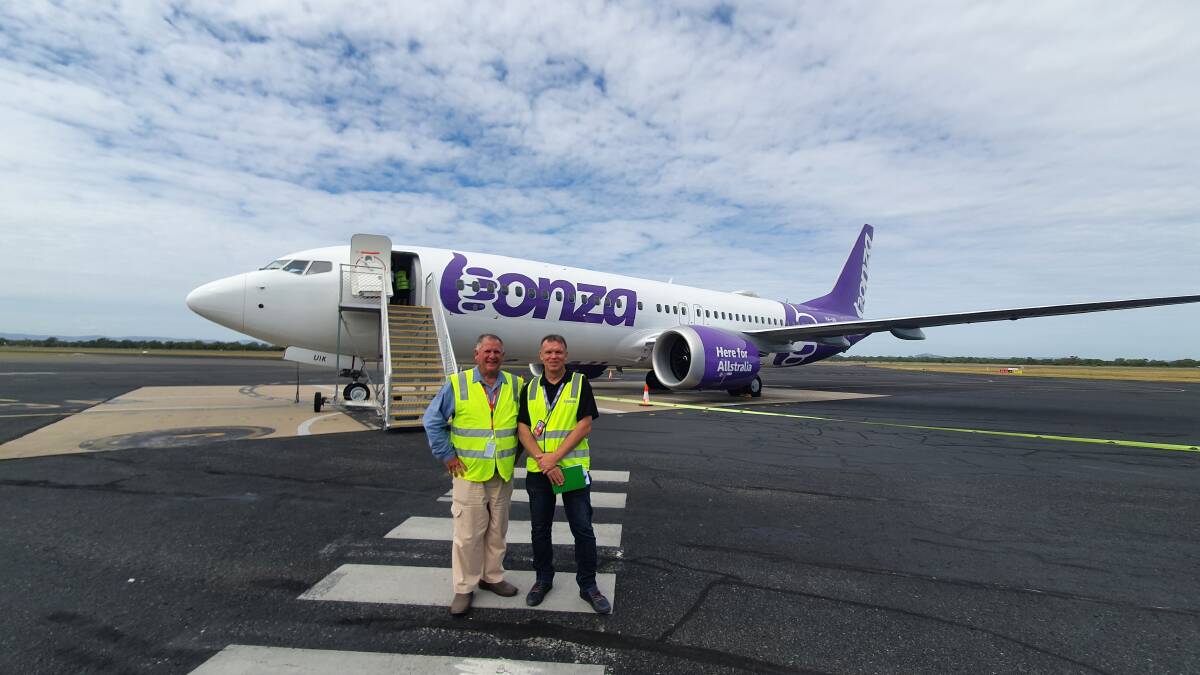

The evacuation itself didn’t exhaust people — the uncertainty did. Passengers received broad updates such as “We’re assessing the situation” or “Please wait for further instructions,” but no one could say how long the delay would last. With little information to rely on, rumours quickly spread. Some feared a bomb threat. Others suspected someone had abandoned a bag. Meanwhile, airline staff handled calls from anxious customers while trying to stay composed.
Passenger Timeline During the Evacuation
| Time (AEST) | Passenger Experience | Feeling / Reaction |
|---|---|---|
| 9:30 AM | Screening halts suddenly | Confusion and speculation |
| 9:45 AM | Evacuation begins | Rising worry; some panic |
| 10:15 AM | Held outside terminal | Heat, discomfort, frustration |
| 11:00 AM | Emergency teams investigate | Anxiety; mixed information |
| 1:15 PM | Threat ruled out | Relief but exhaustion |
| 2:00 PM | Rebookings and delays continue | Fatigue; long queues |
Airlines Tried — But Couldn’t Do Much
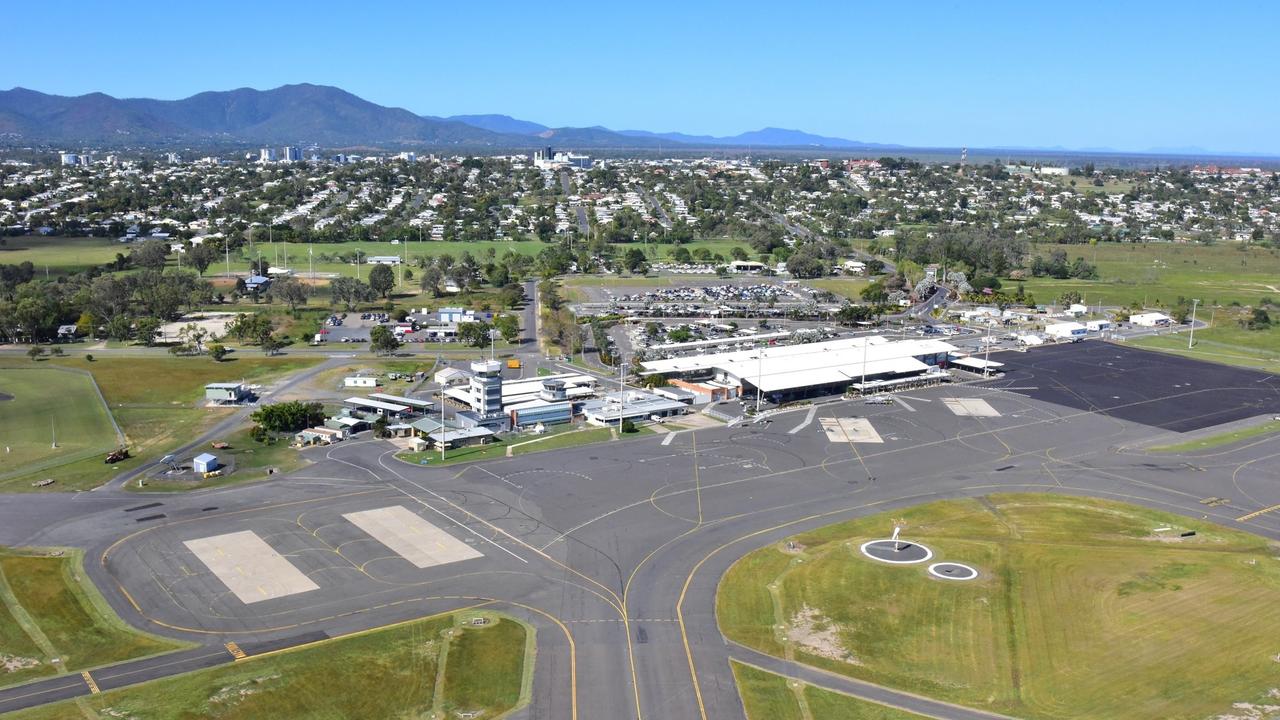
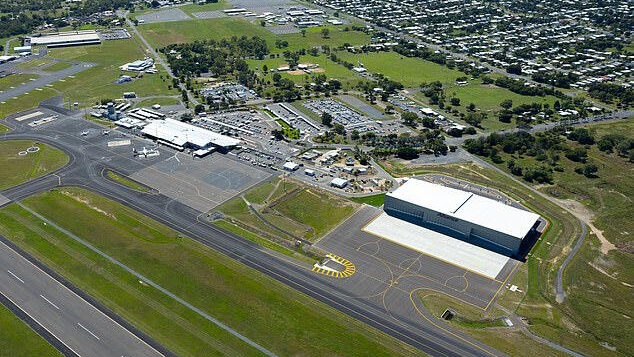
Virgin Australia and QantasLink staff kept calm, but they couldn’t give passengers solid answers because police controlled all decisions. Their limited information meant travellers often relied on mobile apps for more accurate updates. This left many feeling stranded, even though airline staff did everything they could under the circumstances.
The Rockhampton Airport evacuation proved that communication matters just as much as security. Travellers don’t expect perfection, but they do expect honesty and clarity during a crisis. The agencies involved acted quickly to keep passengers safe, yet the confusion and lack of timely updates made the situation far more stressful than it needed to be. If airports strengthen their messaging systems and emergency plans, future incidents won’t leave travellers feeling alone or uninformed.


