

Cricket fans in Australia — especially those who love analysing form guides and matchup stats — will find plenty to dive into when looking at the IND SA 1st ODI Preview. This game isn’t just about reputations or star names. It’s about patterns, numbers, dew influence, and the statistical trends shaping both squads. India are searching for a correction after the 0–3 Test humiliation, but their ODI metrics in recent months show both strengths and vulnerabilities. South Africa, arriving with confidence and balance, have the advantage of a clearer dataset: stable roles, repeatable performances, and consistent powerplay numbers. Ranchi, a venue with a limited but meaningful ODI history, becomes the perfect backdrop for a match where small margins — such as powerplay strike rates and middle-overs economy — could decide everything.
Powerplay Trends: India’s Top Order Must Survive the First 30 Balls –IND SA 1st ODI Preview
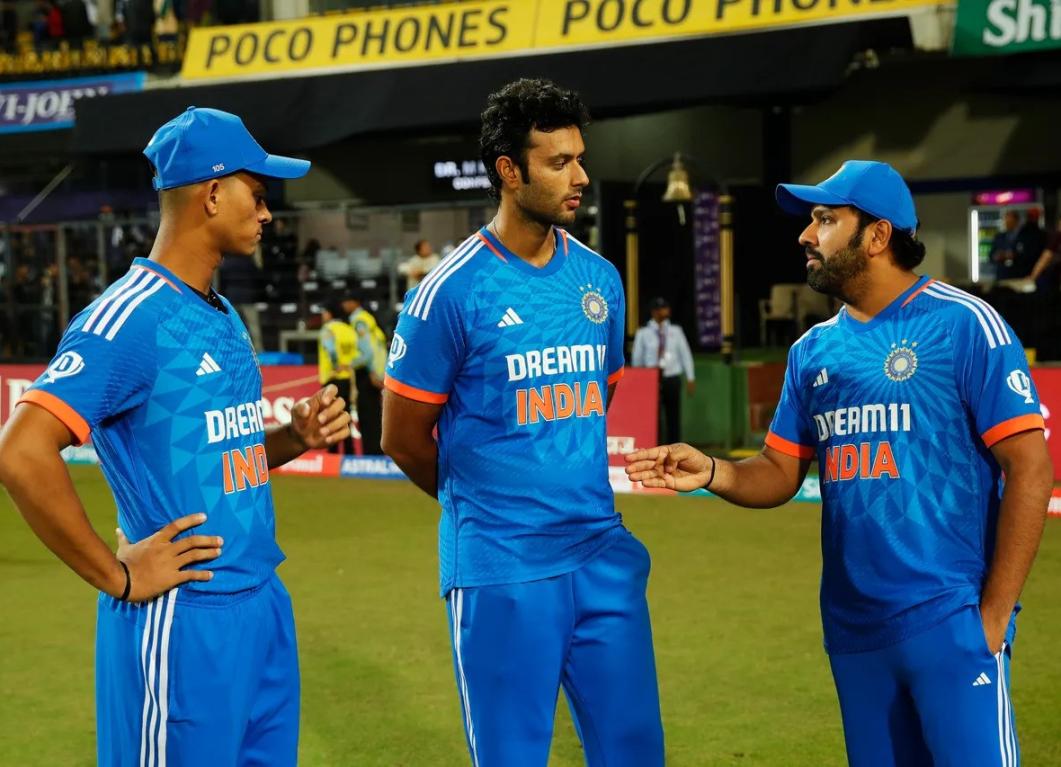
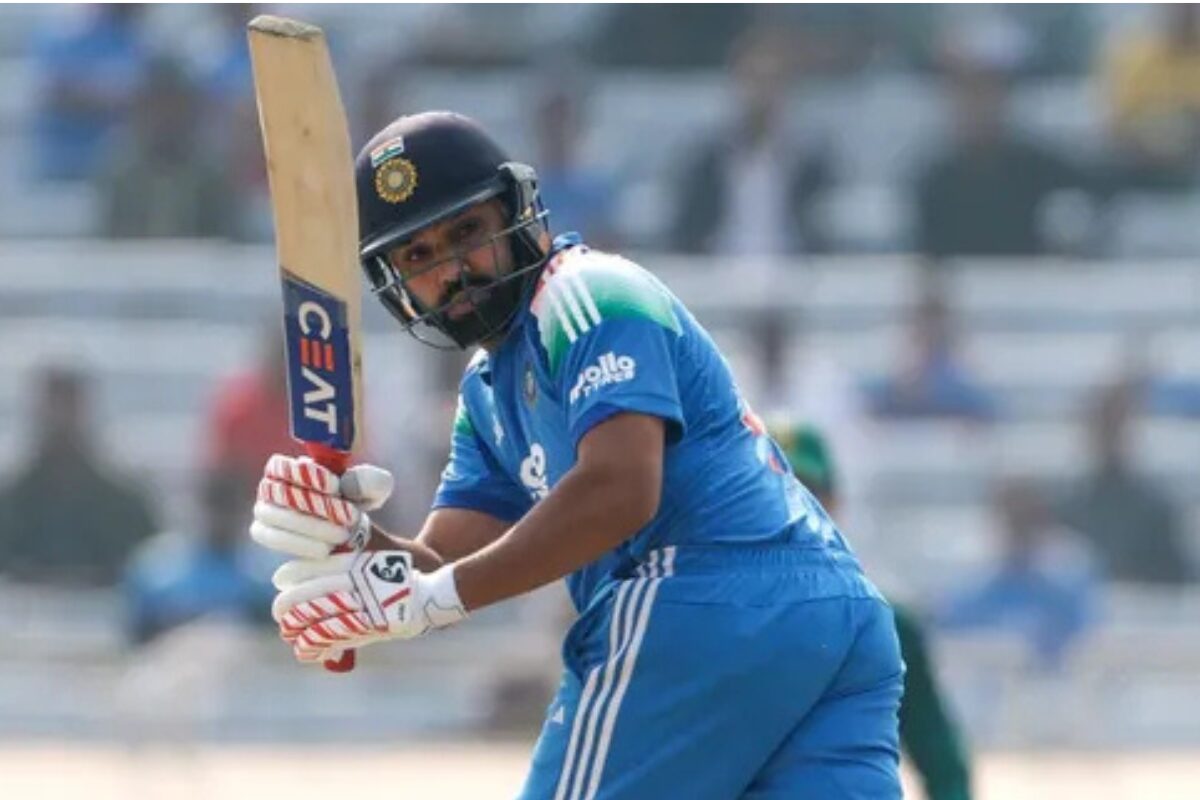
The first 30 balls in an ODI set the platform for the innings, and India’s vulnerability here is statistically clear. Over their last 10 ODIs, India average just 21.4 in the first five overs when missing key players like Gill and Iyer. Rohit Sharma has a strong powerplay average, but Jaiswal tends to go hard early, creating volatility in scoring patterns. South Africa’s powerplay bowlers, meanwhile, average 28.1 per wicket — one of the best returns among ODI touring teams in Asia. Burger and Ngidi combine for a potent early threat, with Ngidi’s wobble-seam deliveries claiming key scalps consistently. India’s first assignment? Don’t lose two wickets inside the first 10 overs — because every time they’ve done so this year, their win probability dives below 40%.
Middle-Overs Scoring: South Africa’s Stability vs India’s Uncertainty –IND SA 1st ODI Preview
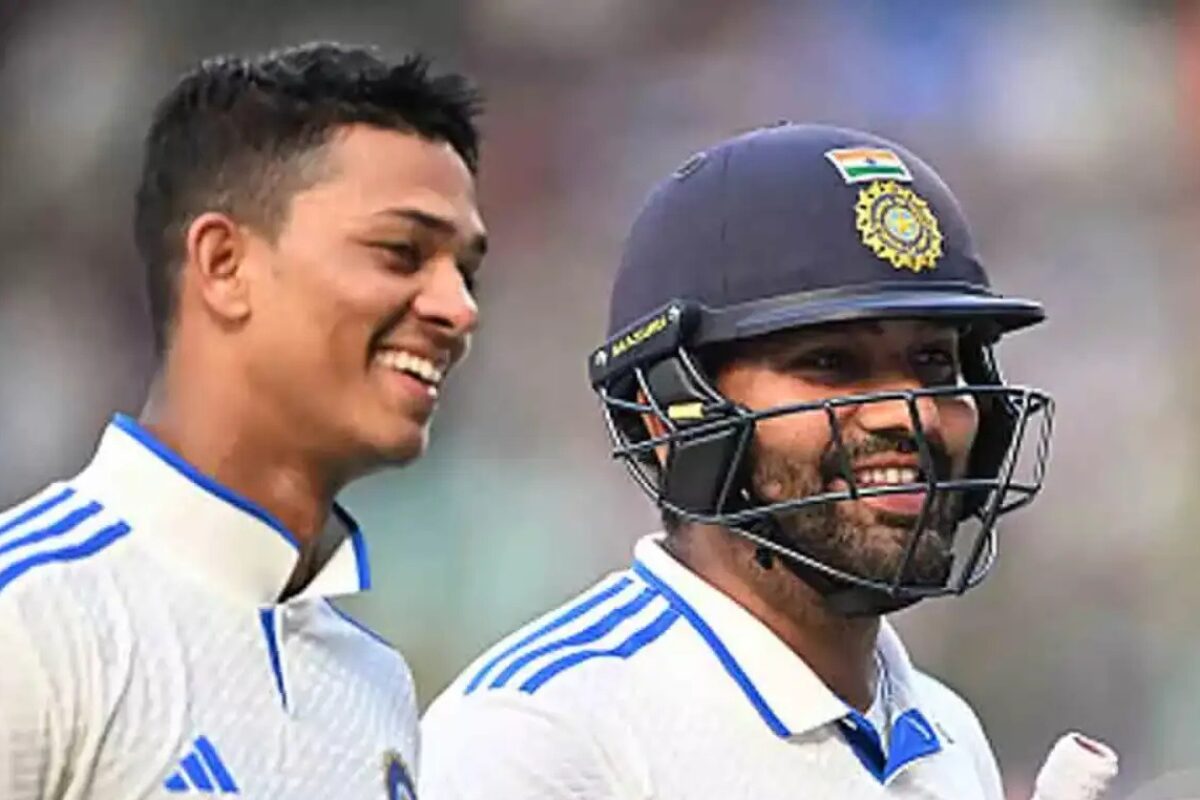
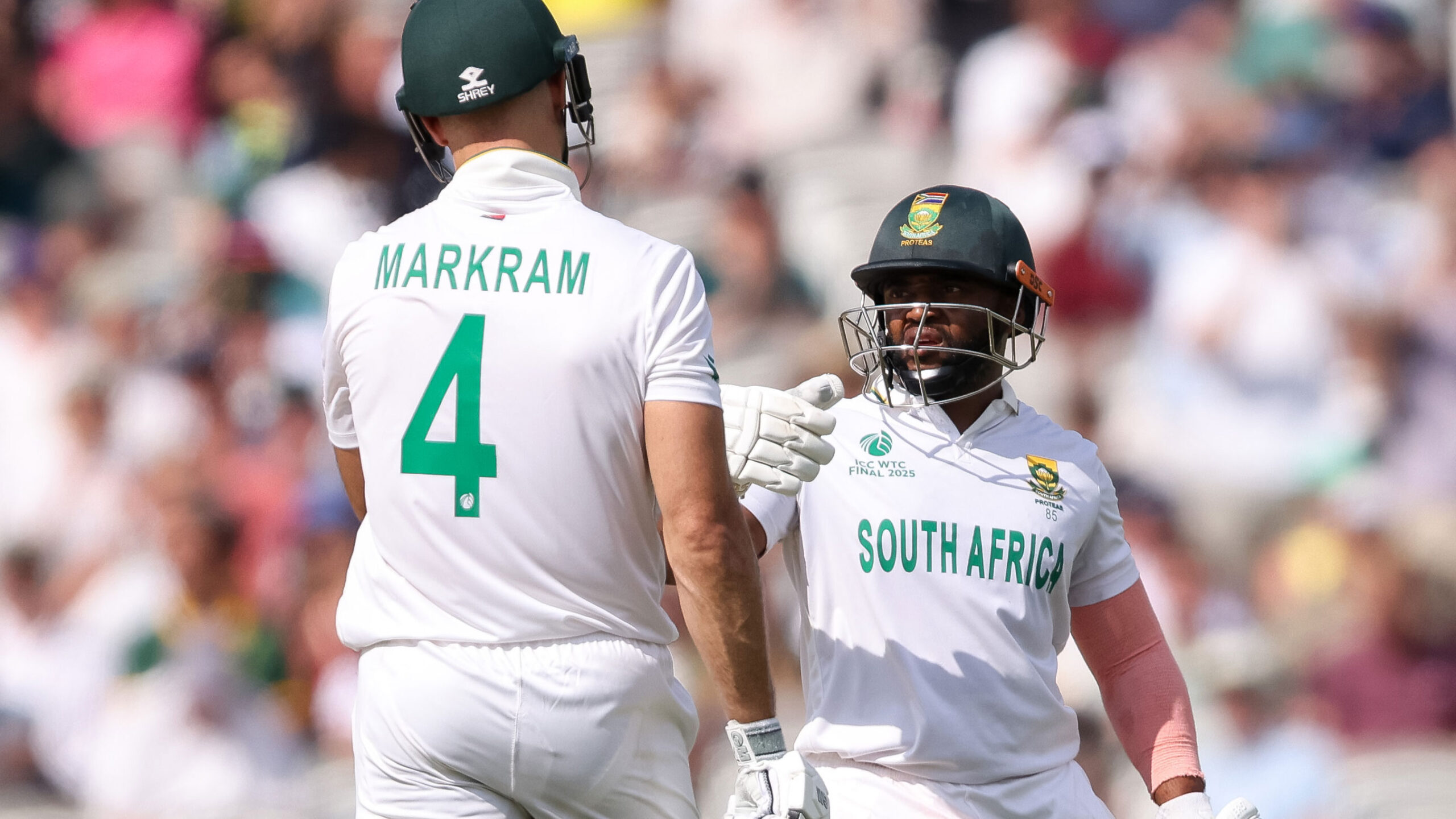
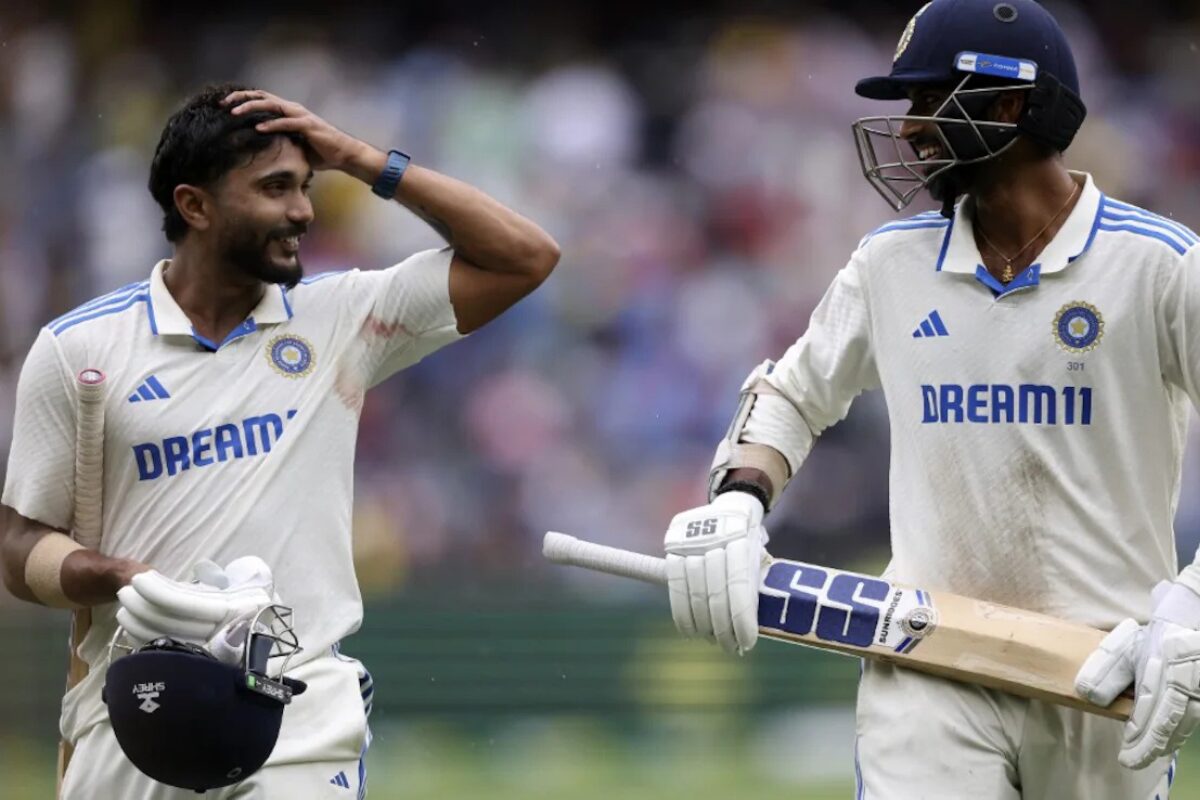
The middle overs (11–40) statistically reflect team identity. South Africa average 4.94 runs per over in this phase over their last 12 ODIs, with Bavuma, Markram, and Rickelton providing steady accumulation. Their dot-ball percentage is low, and they rotate spin better than most visiting teams. India, however, face a structural issue. Without a fixed No. 4 and No. 5, their control in this phase fluctuates wildly. When Gaikwad or Pant fires early, India stabilise. But when both fail, the scoring rate drops to 3.84, and rebuilding becomes the only option. Kuldeep and Jadeja must slow down SA’s middle order, because if South Africa score above 5.3 rpo in the middle overs, they tend to win the match 72% of the time.
Death Overs: Jansen’s Threat vs India’s Recent Weakness (IND SA 1st ODI Preview)
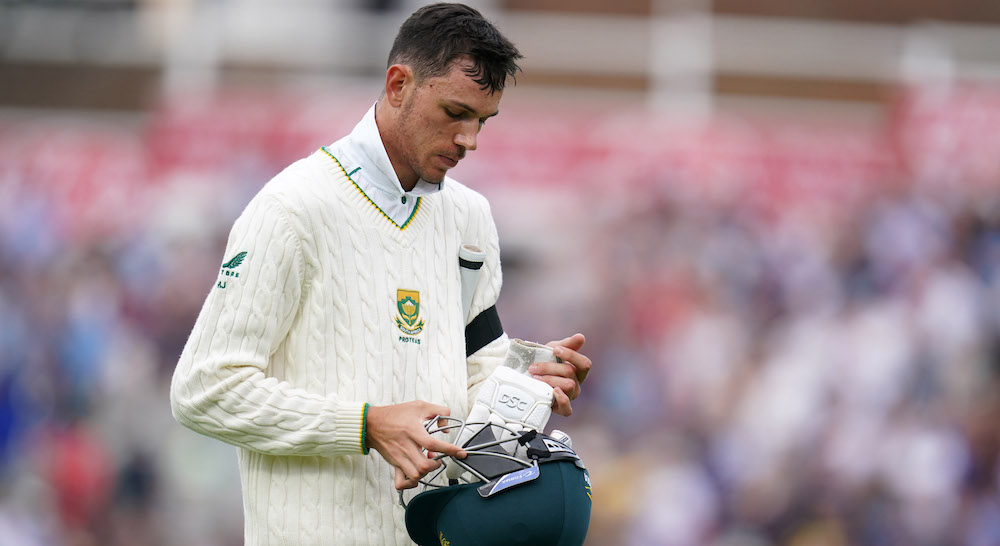
Marco Jansen’s death-overs numbers are frightening. In his last eight ODIs, he has taken 11 wickets in overs 41–50 at an economy of 7.41 — extremely good considering modern ODI batting trends. His bounce, cutters, and late swing pose a triple threat to India’s lower order. India’s death overs, on the other hand, have been inconsistent. Without Bumrah and Siraj, India rely on Prasidh Krishna (economy 8.62 in death overs) and Arshdeep Singh (economy 9.04 in death overs). This is where South Africa can press hard, especially if Brevis and Jansen are set. If India concede more than 90 runs in the final 10 overs, their win probability slides below 30%.
Ranchi Pitch Metrics: Balanced But Tactically Demanding
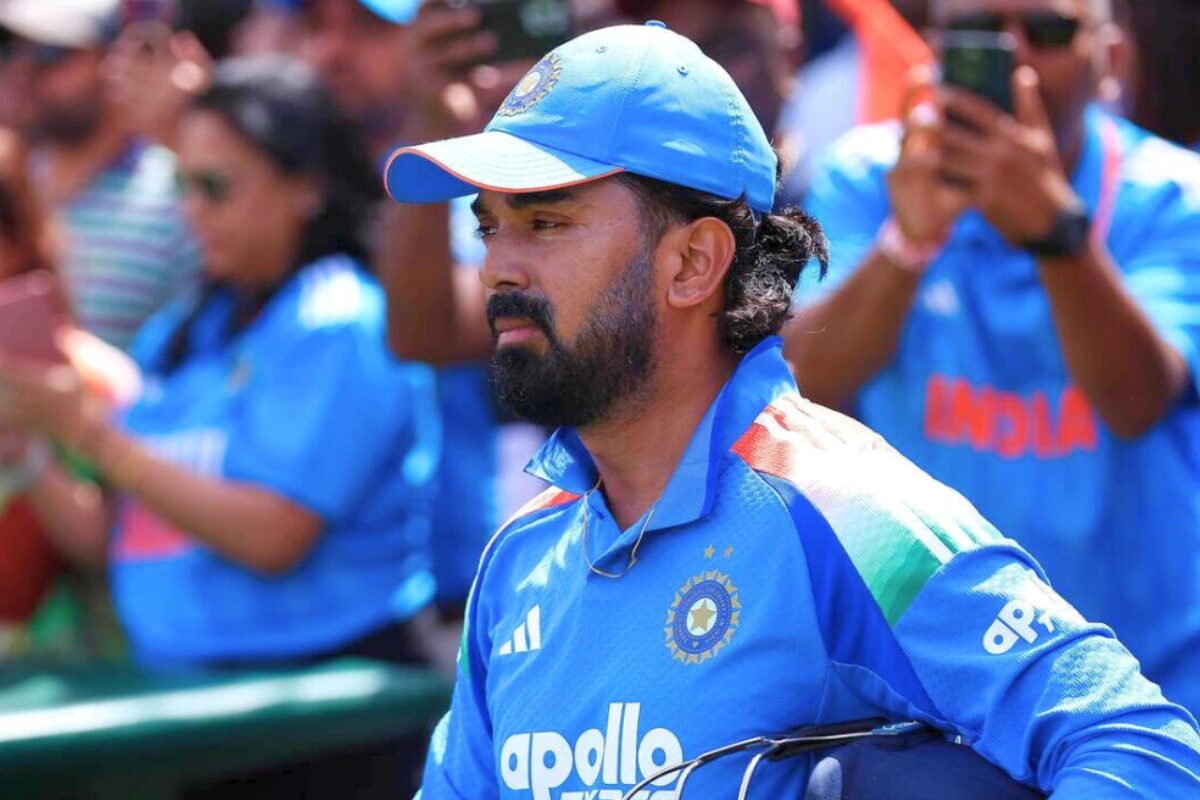
Ranchi’s ODI data, though limited (only six matches), offers meaningful insights. Pacers have taken 39 wickets at an average of 35.48, while spinners have claimed 35 wickets at 40.65. There is no real bias, but there is a trend: teams who win the toss and chase have a 66% win rate due to dew-related advantages. Dew neutralises spin, reduces swing, and increases boundary percentages from 6.8% to 9.3% in the second innings. KL Rahul openly acknowledged the dew concern, and this could push both captains toward chasing. For Australia-based fans who follow Big Bash and ODI patterns closely, this situation is similar to chasing-friendly evening matches at venues like the SCG or Adelaide Oval.
Player Impact Score: Who Shapes the Match the Most?
Using aggregated player performance trends from ESPN, Cricbuzz, and NDTV’s statistical previews, several impact players stand out. For India, Rohit Sharma carries the highest powerplay control metric, while Kuldeep Yadav has the best wicket probability index in the middle overs. For South Africa, Jansen leads the all-round impact category, and Maharaj’s control index remains extremely high in spin-friendly windows. Every preview points to one thing: this match may boil down to which team wins the impact moments rather than the overall stats — especially if the dew erases bowling advantages late.
The IND SA 1st ODI is one of those matches where the storyline blends perfectly with the statistical reality. India need their numbers to stabilise, especially in the middle overs and at the death. South Africa already operate with clarity, rhythm, and repeatable patterns, which is why they walk into Ranchi with an analytical edge. But cricket isn’t decided by data alone — especially not in Indian conditions. If India win the toss, manage the first 10 overs, and give their spinners a dry ball, they can rewrite the statistical forecast. If not, South Africa will feel right at home.


