

The arrival of 2026 represents a rare moment in gaming history where long-term development cycles and hardware maturity finally shake hands. For those following the Top5 Epic Games 2026, this year is the culmination of nearly a decade of trial and error in the AAA space. We are seeing a shift away from the “live-service” fatigue of the early 2020s toward high-polish, prestige experiences that prioritize player immersion. This evolution is driven by the industry’s mastery of current-gen engines, allowing for worlds that aren’t just larger, but fundamentally more reactive. From the first quarter to the final holiday push, the calendar tells a story of an industry reaching its creative and technical peak.
| Launch Window | Game Title | Studio | Industry Impact |
|---|---|---|---|
| Q1 (Feb) | Resident Evil Requiem | Capcom | Hybrid Perspective Pioneer |
| Q2 (Spring) | Marvel’s Wolverine | Insomniac | Mature Action Benchmark |
| Q3 (Summer) | The Duskbloods | FromSoftware | Handheld Power Showcase |
| Q4 (Nov) | Grand Theft Auto VI | Rockstar | Global Cultural Phenomenon |
| Q4 (Dec) | Directive 8020 | Supermassive | Sci-Fi Narrative Leap |
Early 2026: Refining the Horror and Action Formula
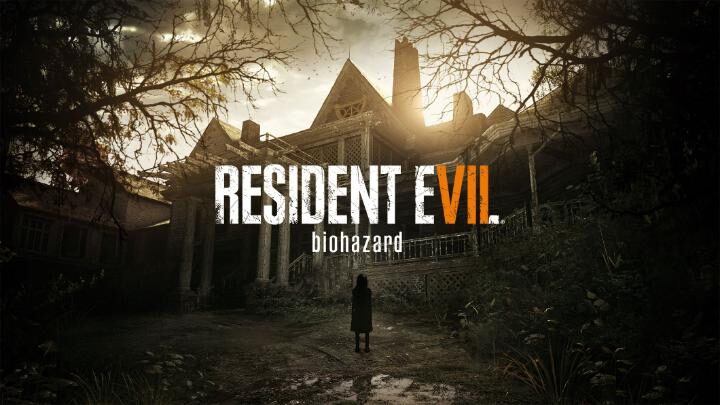
The year opens with a focus on franchise evolution. In February, Resident Evil Requiem marks a major milestone by bridging the gap between the series’ classic roots and its modern experimental era. After years of testing first-person tension in RE7 and third-person action in recent remakes, Capcom is finally offering a unified experience that allows for real-time perspective switching. By the time spring arrives, the spotlight shifts to Insomniac’s Marvel’s Wolverine. This title represents an evolution in superhero media, moving away from the bright, cinematic flair of Spider-Man and toward a gritty, physics-heavy combat system that embraces a mature “M” rating for the first time in the studio’s modern history.
- February Milestone: The launch of Resident Evil Requiem introduces a post-nuclear Raccoon City, blending survival horror with high-stakes urban exploration.
- April/May Progress: Detailed gameplay reveals for Wolverine highlight a regenerative healing system that visually changes Logan’s character model in real-time.
- Technological Shift: Both titles demonstrate a move toward “diegetic” UI, where player information is integrated into the world rather than floating on a screen.
Mid-Year Breakthroughs in the Top5 Epic Games 2026
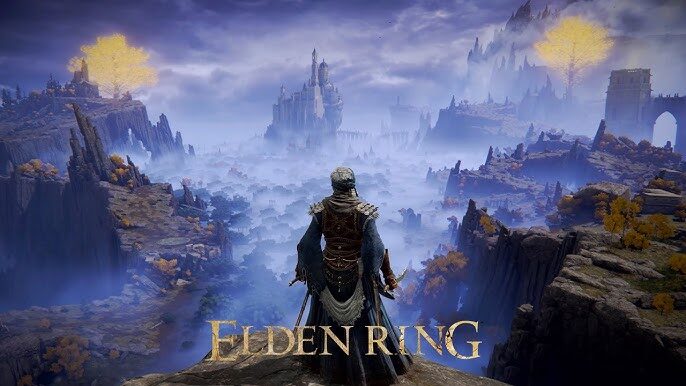
As the industry moves into the summer months, the conversation shifts toward the “Bloodsworn” phenomenon of The Duskbloods. This period highlights a significant evolution for FromSoftware; after the massive scale of Elden Ring, the studio has pivoted toward a tighter, more vertical world design optimized for the Nintendo Switch 2. The development of this title shows a clear trend in the Top5 Epic Games 2026 toward high-intensity social play, as the game’s 8-player ecosystem merges traditional single-player lore with unpredictable player interactions. It serves as a historical marker for when portable hardware finally capable of delivering “Soulslike” fidelity without compromise.
The summer window also highlights how developers are utilizing “asymmetrical” design. In The Duskbloods, the line between friend and foe is blurred by a faction system that evolves based on community-wide choices. This isn’t just a static RPG; it is a living world that reacts to the collective “bloodthirst” of its player base, representing a major step forward in how developers manage long-term player engagement without relying on traditional season passes.
November’s Peak: The Long-Awaited Return to Vice City
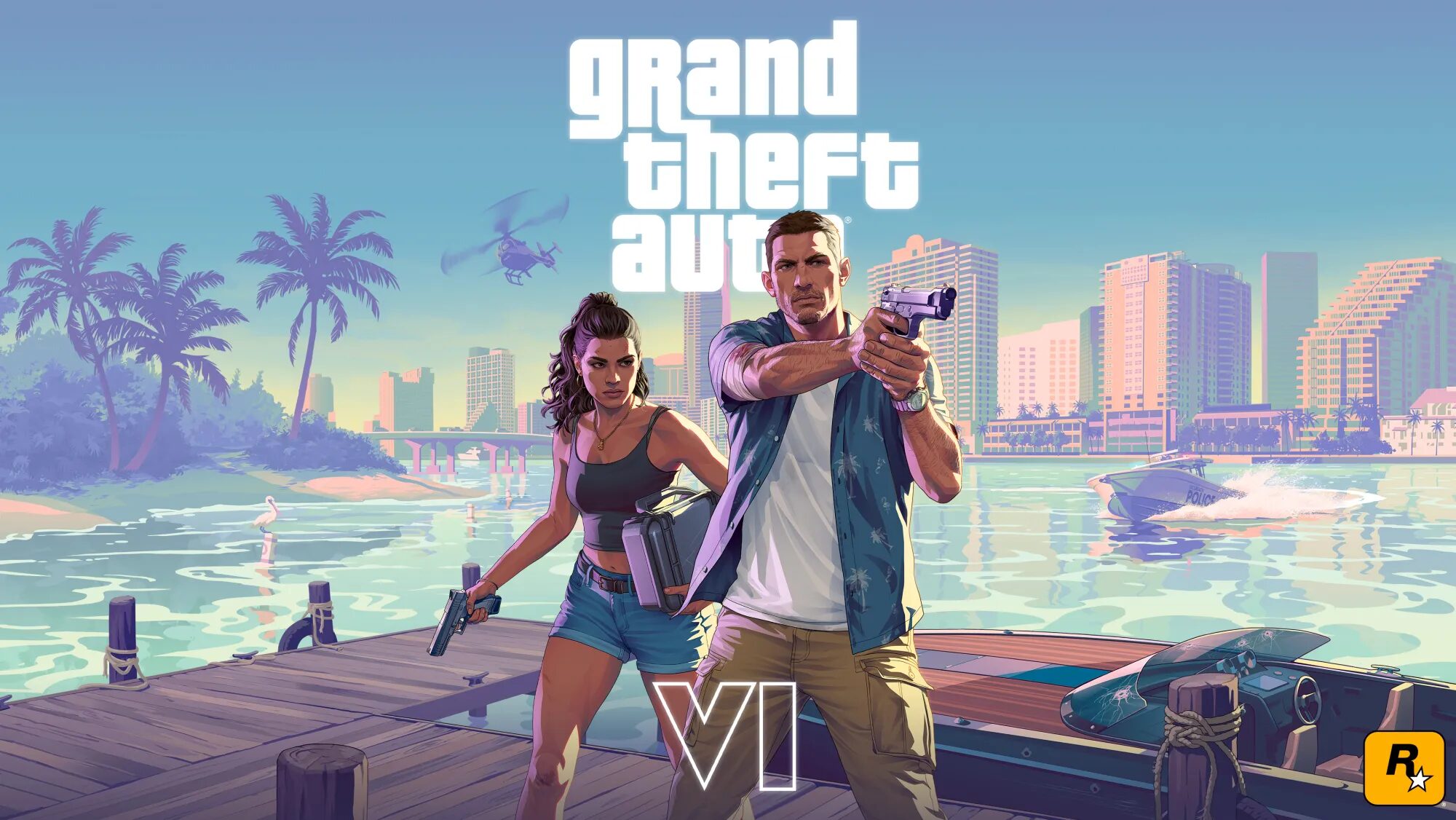
The final quarter of the year is anchored by the most significant release of the decade: Grand Theft Auto VI. The evolution of this project spans over thirteen years, a timeline that reflects the sheer complexity of modern open-world simulation. Moving the setting back to Vice City wasn’t just a nostalgic choice; it was a technical one, allowing Rockstar to showcase a hyper-saturated, neon world that utilizes advanced lighting and AI density. The introduction of the dual-protagonist system (Jason and Lucia) marks the ultimate evolution of the studio’s storytelling, focusing on a singular, high-stakes partnership that feels more grounded and cinematic than the ensemble casts of the past.
- November Impact: The release of GTA VI is projected to break all existing entertainment records, acting as a global cultural reset for the industry.
- AI Evolution: The game features a “Living World” engine where NPCs have unique schedules, memories, and reactions to the player’s social media presence.
- Economic Realism: The in-game world features a shifting economy that reflects the player’s heists and business ventures in real-time.
Winter 2026: The Future of Choice and Consequence
As the year winds down, the focus turns toward the “Phase 2” debut of Supermassive Games with Directive 8020. The evolution here is found in the transition from supernatural horror to tactical sci-fi survival. Unlike previous entries in the Dark Pictures series, Directive 8020 introduces active survival mechanics, such as wrist-mounted utility devices and stealth-based navigation. This development shows an industry-wide trend toward giving players more agency in narrative-driven games. The stakes have evolved; the threat of “permanent death” for the entire crew makes every dialogue choice and stealth encounter feel like a genuine test of the player’s resolve.
The December launch serves as a perfect bookend to the year, proving that narrative games can be as mechanically deep as their action-heavy counterparts. By moving the setting to the cold isolation of Tau Ceti f, Supermassive has pushed the boundaries of psychological horror, utilizing the latest in facial animation tech to convey a level of fear and paranoia that was previously impossible. It is a fitting end to a year defined by its willingness to take massive creative risks.
Reflecting on a Transformative Year for the Industry
Looking back at the trajectory of the Top5 Epic Games 2026, it is clear that we have moved into a new era of digital entertainment. We began the year with the refinement of survival horror and concluded with a monumental shift in how open-world social simulations are constructed. This timeline is a testament to the patience of both developers and fans, showing that the most “epic” experiences are those that take the time to innovate rather than replicate. As we move into 2027, the benchmarks set by these five titles will undoubtedly serve as the foundation for the next generation of interactive storytelling.

