
Nico Harrison entered the Dallas Mavericks front office in 2021, transitioning from a successful career at Nike to professional basketball management. His approach emphasized analytics, culture-building, and player relationships, with Luka Dončić at the center of his long-term vision.
Working alongside coach Jason Kidd and with partial oversight from Patrick Dumont, Harrison had the autonomy to blend modern management strategies with traditional basketball operations. Fans initially embraced his fresh perspective, seeing him as a forward-thinking GM ready to shape a competitive Mavericks roster.
Early Success: Building a Competitive Core
Harrison quickly earned credibility through strategic signings and roster moves. Re-signing Dončić, adding Christian Wood, and acquiring Spencer Dinwiddie helped the Mavericks reclaim playoff relevance, highlighted by a 2022 Western Conference Finals appearance.
He fostered a player-first culture with a focus on trust and analytics. However, missteps such as the Jalen Brunson departure in 2022 exposed negotiation gaps, offering Harrison valuable lessons for future roster decisions.
| Season | Record | Key Additions | Key Departures | Playoff Outcome |
|---|---|---|---|---|
| 2021–22 | 52–30 | Dinwiddie, Bertāns | Porziņģis | Western Finals |
| 2022–23 | 38–44 | Irving (midseason) | Finney-Smith | Missed Playoffs |
| 2023–24 | 56–26 | Veteran depth signings | N/A | NBA Finals (Lost 4–1 to BOS) |
By 2024, Harrison had established the Mavericks as playoff contenders, blending analytics with strong team culture.
The Luka Dončić Trade and Immediate Fallout – Nico Harrison
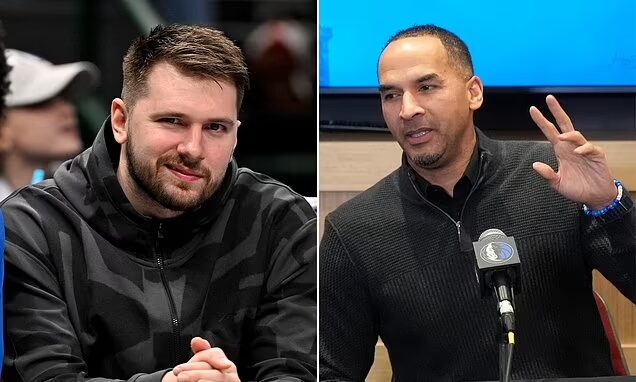
In February 2025, Harrison executed a blockbuster trade, sending Luka Dončić to the Los Angeles Lakers. He cited concerns over Luka’s conditioning, tension with Kidd, and the need for roster and salary flexibility.
The Mavericks received first-round picks, young prospects, and financial relief. While internally framed as a strategic rebuild, external reactions were overwhelmingly negative:
- Players reportedly blindsided by the trade.
- Fans reacted with outrage, viewing it as a betrayal.
- Media criticism, with ESPN calling it “one of the most polarizing trades in recent NBA history — with no immediate upside.”
Meanwhile, Dončić thrived in Los Angeles alongside LeBron James, while Dallas’ performance faltered, underscoring the risk in Harrison’s decision.
Internal Turmoil: Ownership and Front Office Challenges – Nico Harrison
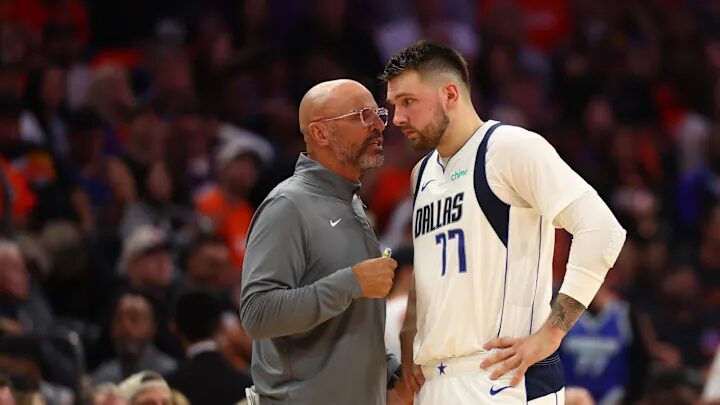
The trade exposed organizational fractures. The Dumont–Harrison alignment began to weaken as ownership pressure and performance issues mounted. Reports highlighted tension between analytics-driven strategies and traditional basketball instincts.
Coach Jason Kidd publicly distanced himself, stating, “The roster is what it is.” Signs of dysfunction included:
- Conflicting messages about team direction.
- Difficulty attracting a replacement star.
- Internal leaks showing disagreement between executives and scouts.
Even franchise legend Dirk Nowitzki reportedly intervened as an advisor to help stabilize the front office.
Fan Outcry and Media Scrutiny – Nico Harrison
Dallas’ 3–8 start in the 2025–26 season intensified backlash. Fans chanted “Fire Nico” at home games, while social media amplified the criticism.
National media echoed the sentiment:
- Tim Cowlishaw called leaked frustrations “self-inflicted.”
- Bill Simmons joked, “Trade Luka, trade your job.”
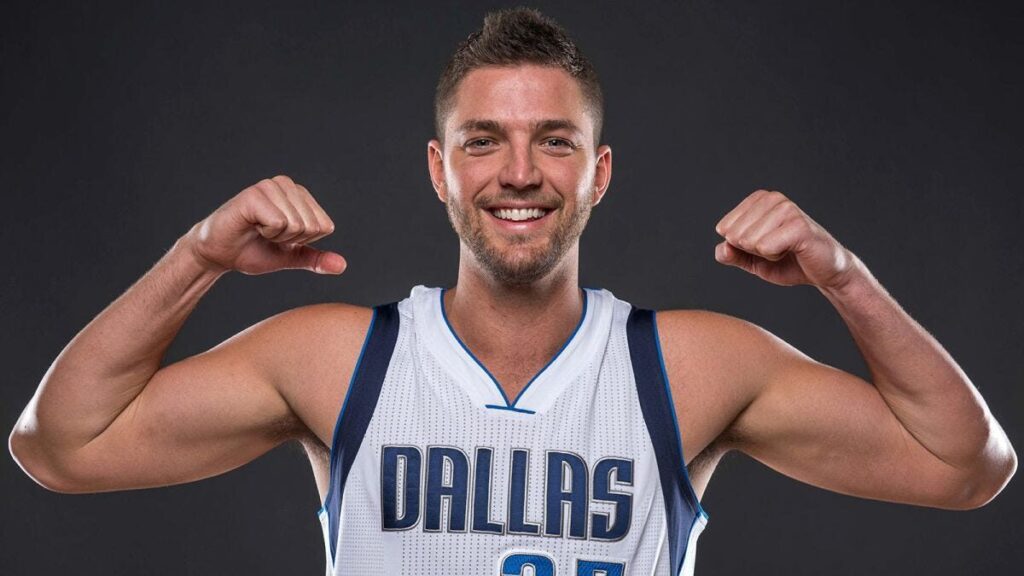
- Chandler Parsons remarked, “The writing was on the wall months ago.”
The 2024 Finals run was largely forgotten, replaced by attention on Dončić’s success in Los Angeles. The episode highlighted how modern NBA narratives often hinge on perception as much as results.
Conclusion: Lessons from Nico Harrison’s Mavericks Tenure
In November 2025, Nico Harrison was dismissed as Mavericks GM, less than a year after trading Dončić. His tenure, initially praised for innovation and vision, ended amid controversy and scrutiny.
Key takeaways include:
- Generational talent stability is vital.
- Transparency and communication matter as much as analytics.
- Locker-room chemistry cannot be replaced by data alone.
- Front-office reputation can collapse rapidly.
For the Mavericks, rebuilding identity, leadership, and fan trust post-Dončić is now the priority. Harrison’s story illustrates how one high-stakes decision can redefine a franchise and a GM’s legacy.


