

When two franchises with decades of history collide — one led by Luka Doncic, the other by Victor Wembanyama — you get more than just a regular-season thriller. The Lakers vs Spurs matchup wasn’t about standings alone; it was a snapshot of how old rivalries can evolve into new generational showcases.
Both teams entered with strong early records: Lakers (7–2) and Spurs (5–2). The narrative was clear — Doncic’s playmaking mastery versus Wembanyama’s rim protection. The game delivered every bit of that tension, ending in a 118–116 Los Angeles win that felt like a blueprint for how basketball narratives are built in real time.
Here’s a snapshot before tip-off:
| Team | Record Before Game | Top Performer | Highlight Moment |
|---|---|---|---|
| Los Angeles Lakers | 7–2 | Luka Dončić (35 pts, 13 ast) | Go-ahead 3-pointer with 2:31 left |
| San Antonio Spurs | 5–2 | Victor Wembanyama (19 pts, 8 reb) | Key blocks before fouling out |
Explaining the Flow: From Early Struggles to Late Heroics
The first half served as a case study in rhythm and resistance. The Lakers shot a dismal 14% from three in the opening quarter — an example of how volume shooting can backfire without spacing. Yet Doncic stabilized them with high-IQ decisions: slow tempo, mismatched exploitation, and patience on switches.
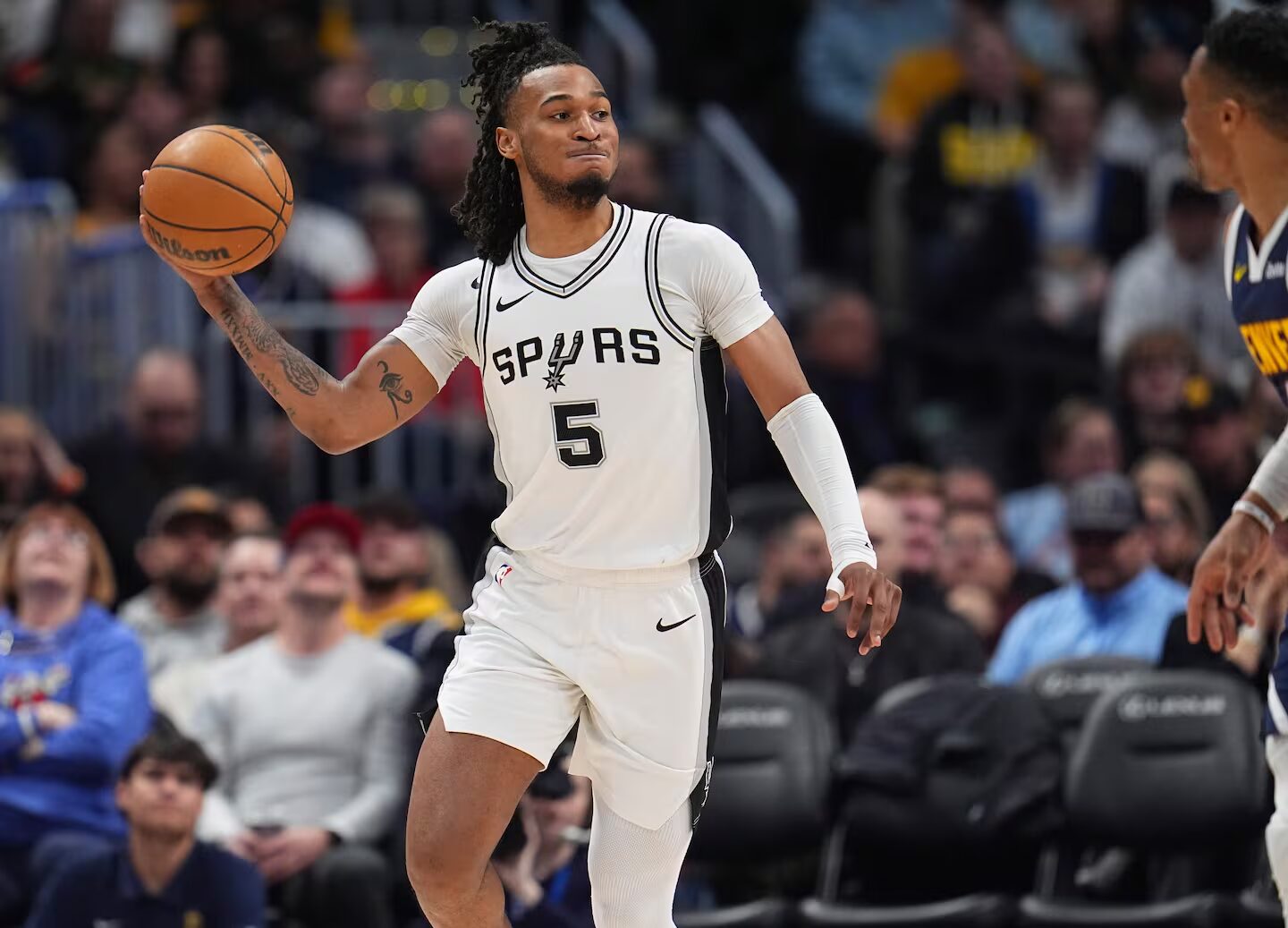
By contrast, San Antonio’s young core thrived in the open court. Julian Champagnie’s corner threes, Stephon Castle’s defensive anticipation, and Wembanyama’s second-chance putbacks made the Spurs look like the more fluid team early. The lesson? Momentum belongs to those who adapt faster — until foul trouble intervenes.
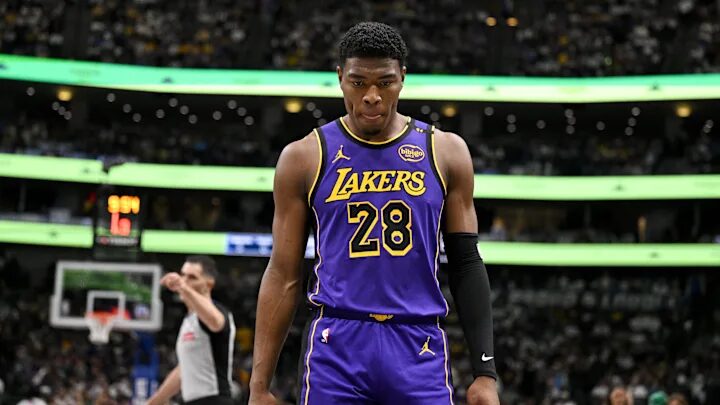
When Wembanyama picked up his third foul before halftime, the Lakers adjusted spacing and tempo, creating lanes for Ayton and Hachimura. The momentum pendulum shifted again.
Breaking Down the Turning Points
Think of the second half as a timeline of momentum:
- Third Quarter: Spurs build a 10-point cushion behind Harrison Barnes and Champagnie’s perimeter rhythm.
- Fourth Quarter (7:30 mark): Lakers open with a 7–0 run, flipping control with Ayton’s inside presence.
- 2:31 left: Doncic nails a cold-blooded step-back three, giving LA a 113–112 lead.
- 1:39 left: Wembanyama fouls out after a charge drawn by Rui Hachimura — a pivotal moment that removed San Antonio’s interior anchor.
- Final seconds: Champagnie’s missed free throws at 0.2 seconds seal the result.
Each play reflected the “micro-battle” concept — a sequence where coaching adjustments, player reads, and composure intertwine. For young teams like the Spurs, such sequences often define the gap between potential and poise.
Reading Between the Stats: Doncic’s All-Around Influence
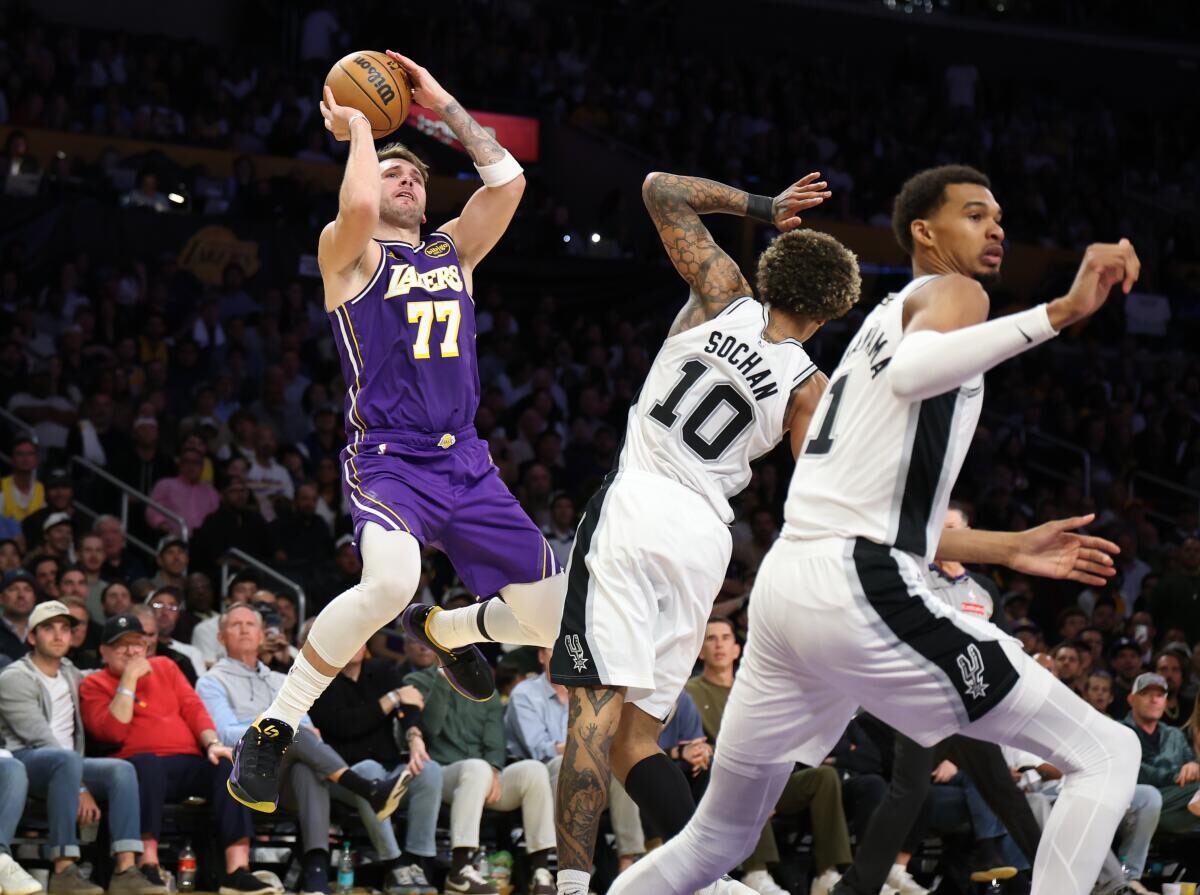
Beyond the highlight reel, Luka Doncic’s influence worked like a system within the system. His 35 points, 13 assists, 9 rebounds, 5 steals, and 2 blocks weren’t just volume stats — they were contextual stats.
- Assist-to-impact ratio: Nearly every assist generated a direct paint touch or corner three attempt, maximizing efficiency.
- Defensive rotations: His late help on Castle’s drives neutralized key Spurs possessions.
- Leadership cues: Constant communication with Ayton and Smart steadied LA’s structure during chaos.
What this game illustrated is how Doncic operates as a tempo architect, reshaping the Lakers’ identity from an isolation-heavy team to a precision offense when needed.
Tactical Takeaways: Lessons for Both Teams
The Lakers’ approach blended adaptability and restraint — two traits often missing in early-season play. Without LeBron James or Austin Reaves, the supporting cast thrived under flexible roles:
- Deandre Ayton: Controlled the paint (22 pts, 10 reb).
- Marcus Smart: Defensive trigger; forced three late turnovers.
- Rui Hachimura: Midrange control under pressure.
- Bronny James: Poised rookie minutes in key sequences.
Meanwhile, San Antonio’s blueprint remains promising but incomplete. Wembanyama’s impact was undeniable, yet the Spurs’ 29 team fouls and late-game free throw issues underscored inexperience. Their defensive switching held firm until fatigue and foul accumulation disrupted spacing.
The broader point? Both teams showcased philosophies in progress — the Lakers’ veteran composure versus the Spurs’ developmental volatility.
Conclusion: What the Clash Really Revealed
The Lakers vs Spurs showdown wasn’t just a close score; it was a lesson in structure under stress. The chaotic officiating, high foul count, and long stoppages drew online criticism — but they also highlighted how players adapt within shifting emotional landscapes.
Ultimately, this 118–116 finish functioned like an explainer in itself:
- How superstars impose control (Doncic)
- How youthful teams learn resilience (Spurs)
- How rivalries evolve with new protagonists
As the season unfolds, this game may stand as an early benchmark — not just for Western seeding, but for what modern basketball storytelling looks like when talent meets tension.
The message from Crypto.com Arena was clear: styles may change, but rivalries never die.


