

Khawaja penalty-box incident arrived so unexpectedly that it jolted the entire Australian cricket community into instant debate. One minute fans assumed he would walk out to open; the next, Jake Weatherald was rushing to the crease while Khawaja stood helplessly behind the railing. Reports from ABC, Fox Sports and Cricket.com.au later confirmed that Khawaja’s time off the field — a mix of stretching, treatment and a quick bathroom break — pushed him into the little-known rule requiring players to serve an equal amount of time on the field before batting. In the emotionally charged atmosphere of an Ashes opener, the optics were explosive. This wasn’t just a quirky rule twist; it became a symbol of deeper concerns about timing, professionalism and the fragile balance between preparation and pressure.
How a Small Rule Triggered a Massive Reaction –Khawaja Penalty Box
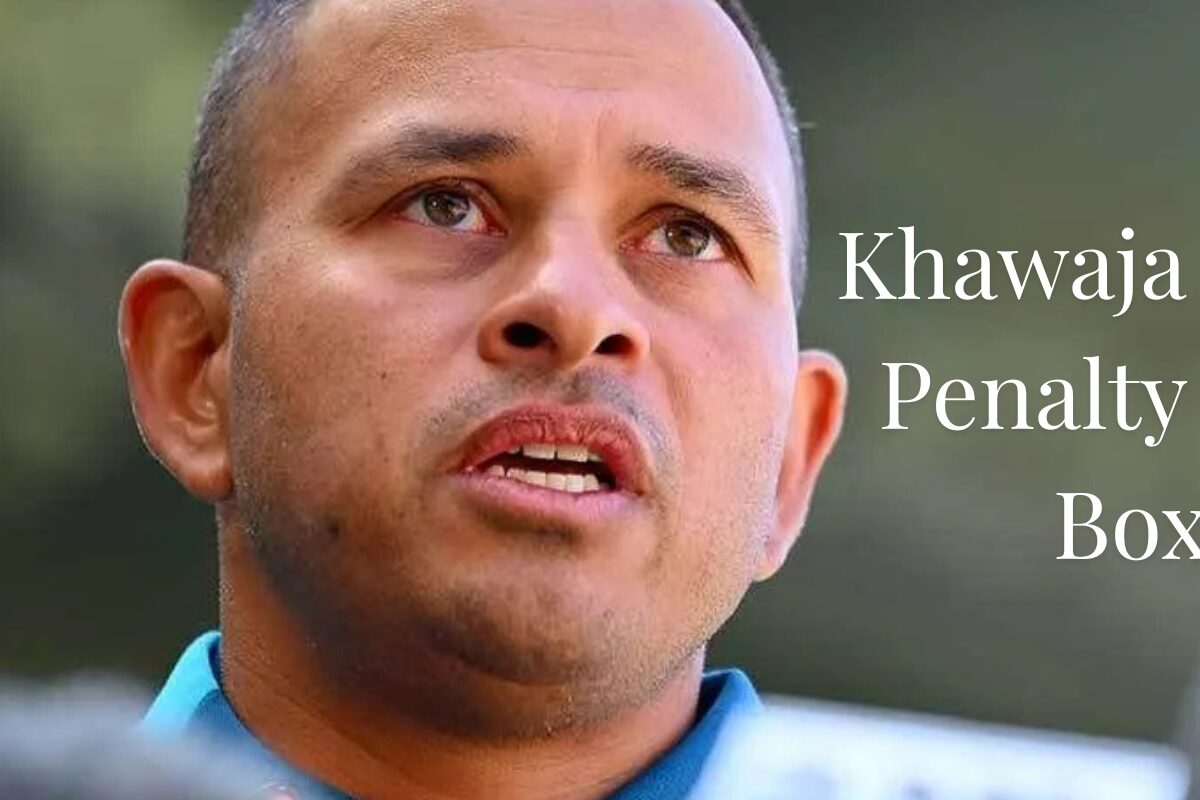
The penalty box rule is old, simple and rarely invoked this dramatically, which made the moment feel almost surreal to viewers. Because Khawaja is one of Australia’s most experienced players, fans assumed everything would run smoothly. Instead, the moment exposed a gap in coordination that immediately drew national attention. Commentators noted that while the rule was correctly applied, the confusion on Australia’s balcony made it look like a larger problem. Social media amplified the drama within minutes, sparking debates that had little to do with the rule and everything to do with symbolism.
Timing Errors in the Ashes Come at a Heavy Price (Khawaja Penalty Box)
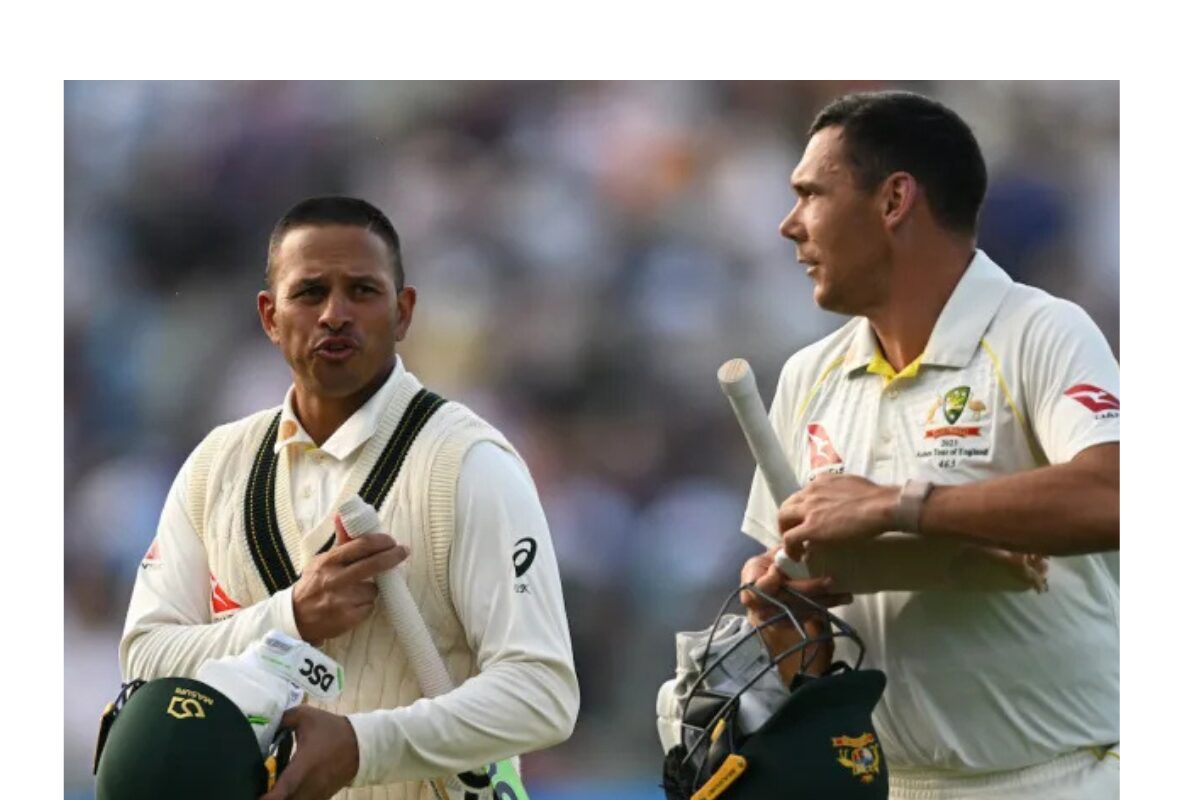
In everyday cricket, a timing slip might be brushed off as bad luck, but the Ashes isn’t everyday cricket. England thrives on exploiting emotional disruptions, and this sudden reshuffle gave them exactly that. Analysts pointed out that Australia lost not just a familiar opener but the psychological steadiness that comes with routine. In an Ashes match, rhythm is everything, and a last-minute adjustment hands the opposition an early mental edge. Even neutral observers admitted the moment felt avoidable, which is why it hit so hard.
Why Khawaja’s Experience Made the Incident Even More Surprising -Khawaja Penalty Box
Khawaja has spent years building a reputation as one of Australia’s calmest, most composed Test cricketers, which made the penalty-box moment feel even stranger. Fans are used to seeing him as the steadying figure who rarely misjudges rhythm or readiness. When ABC confirmed he had been off the field longer than expected, supporters and former players struggled to reconcile the mistake with his established professionalism. Even though the situation stemmed from physical management rather than carelessness, the contrast between Khawaja’s usual composure and this mishap heightened the emotional reaction nationwide.
England’s Media Wasted No Time Turning It Into Ammunition (Khawaja Penalty Box)

Predictably, English commentators jumped on the moment with the enthusiasm of a team gifted an unexpected advantage. TalkSport described the oversight as “avoidable at any level,” while UK pundits argued that Australia looked unsettled. Whether fair or exaggerated, their response added fuel to an already burning fire, especially when paired with commentary about Khawaja’s recent form. In a rivalry built on psychological warfare, even a procedural delay becomes a weapon — and England used it masterfully.
What This Means for Australia’s Opening Partnership Stability
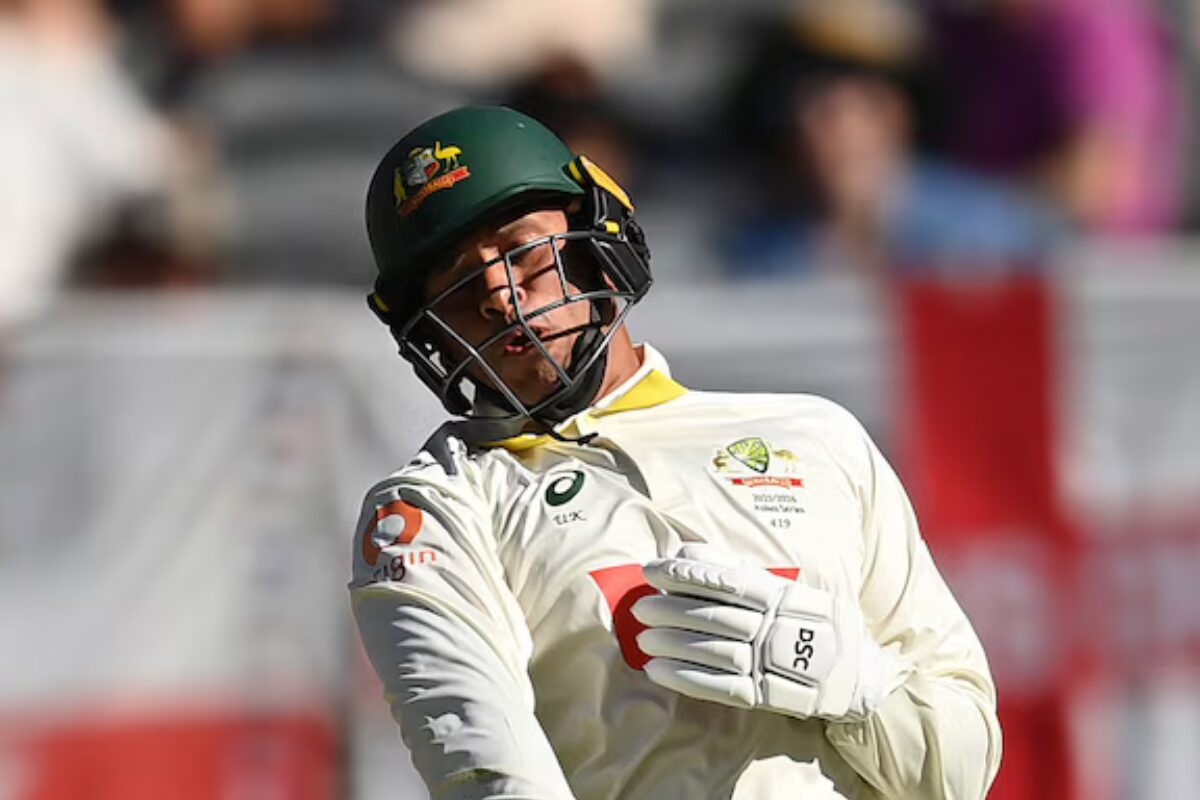
Australia’s opening combination thrives when roles are predictable and rhythm is uninterrupted. Khawaja’s sudden ineligibility forced a shuffle that not only surprised viewers but disrupted the internal structure of the batting order. While Jake Weatherald handled the responsibility admirably, the moment underscored how fragile opening partnerships can be under Ashes pressure. Analysts on Fox Sports argued that Australia must refine its protocols to prevent similar disruptions, because opening overs often dictate entire Test matches.
The Fitness Conversation Australia Can’t Ignore Anymore
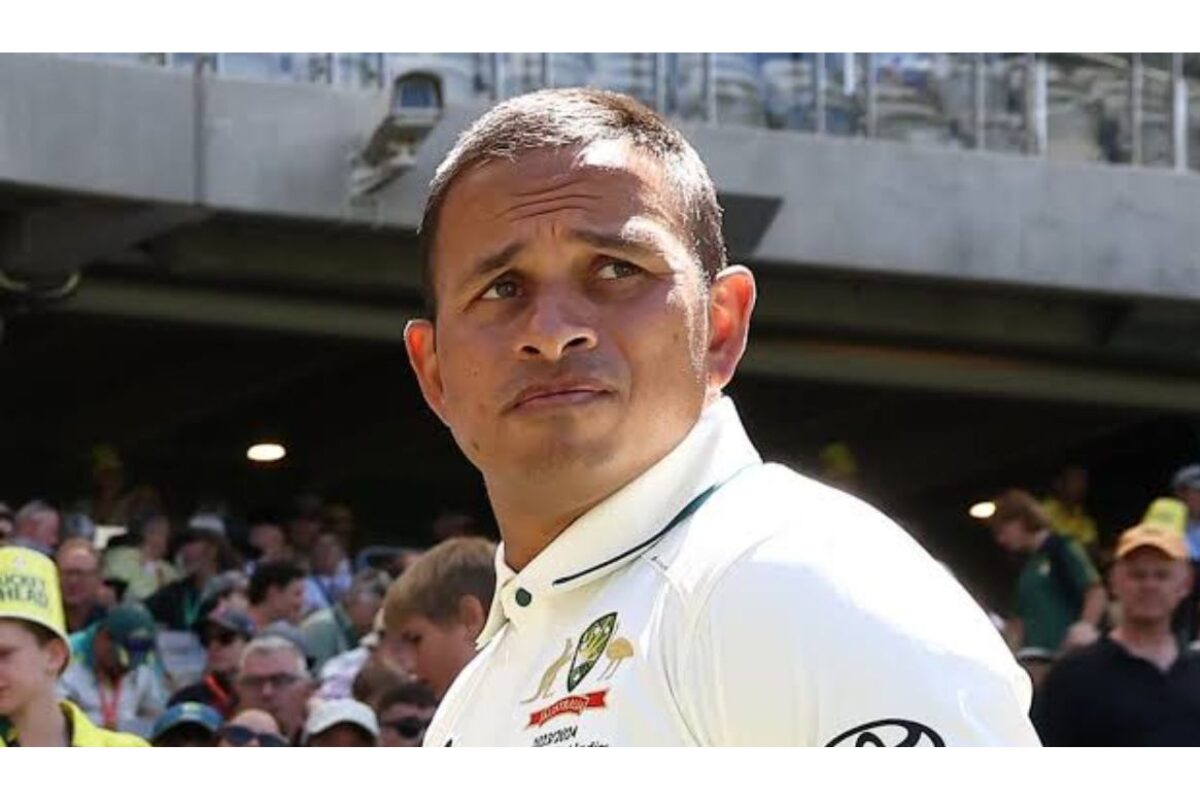
Khawaja’s minor back spasms, though not alarming in isolation, became magnified by timing. Cricket.com.au noted his intermittent treatment throughout the session, and while the medical team maintains there was no serious injury, the optics suggested otherwise. In a role demanding long periods of discipline and concentration, even small physical setbacks matter. Fans now wonder whether Khawaja’s workload should be managed more carefully, especially with younger openers pushing for opportunities.
Selector Pressure and the Reality of an Ageing Opener

Selection pressure is nothing new in Australian cricket, but for senior players, scrutiny tends to escalate quickly. ESPN Cricinfo previously highlighted concerns about Khawaja’s declining returns, and the penalty-box incident inadvertently reignited that conversation. While selectors will not overreact to a rule mishap, they will monitor whether his physical management and performance trends stabilise across the series. This is not about questioning his legacy — it’s about managing a position central to Australia’s Test identity.
Khawaja’s penalty-box moment may have lasted only minutes, but its influence stretched far beyond the opening session. It exposed the razor-thin margins that define Ashes cricket, where timing, communication and readiness matter just as much as skill. While the rule was applied correctly, the disruption came at a moment when Australia expected experience and stability. Yet the broader story is not about blame. It’s about how elite teams respond when pressure, fitness and expectation collide. Khawaja has built his career on resilience, and this incident will likely push him to refocus rather than fade. For Australia, the lesson is simple: tighten internal processes and support senior players to ensure they remain ready from the first ball. The Ashes demands perfection, and moments like this remind us just how fragile that standard can be.


