

Fortnite Esports Rostermania 2025 : The 2025 Fortnite offseason has proven to be anything but quiet. What was once a predictable reshuffling of duos and trios has now become a calculated re-engineering of competitive identity. From established organizations rebranding their strategies to emerging teams signing hidden gems, Rostermania 2025 stands as a symbol of how esports has matured.
This new wave of roster changes is not just about switching teammates — it’s about evolving playstyles, investing in mental resilience, and aligning goals with long-term sustainability. The discussion isn’t who swapped where anymore; it’s why they did it and how it changes the global Fortnite landscape.
Quick Look
Calculated Chaos – Fortnite Esports Rostermania 2025
In past years, roster swaps often followed a simple pattern — players moved after poor FNCS finishes or personal disagreements. But 2025 introduced a more businesslike approach. Teams now weigh data analytics, chemistry stats, and brand value before finalizing rosters.
Take Team Strive, for example. They dropped two of their original members, despite finishing 5th in FNCS Chapter 5, to acquire a more tactical IGL and a newcomer renowned for storm rotation consistency. On paper, it looked risky, but the move was strategic — favoring adaptability over legacy.
Likewise, Falcon Esports retained their core trio, investing instead in a dedicated analyst to strengthen decision-making. The offseason now feels more like a chessboard — each move made with precision and purpose.
Tracking the Major Swaps – Fortnite Esports Rostermania 2025

Below is a summary of some notable roster changes that dominated the headlines this year:
| Team | Incoming Players | Departures | Commentary |
|---|---|---|---|
| Sorin Esports | Ark, Curve | Lyric, Nox | Focused on tactical synergy and long-term coordination |
| NovaX SEA | Danny1x, Zelo | Kai, Mist | Building SEA superteam with regional veterans |
| Falcon Esports | No roster change | N/A | Reinforcing stability with internal data-driven coaching |
| Team Strive | Luno, Fenn | Kairn, Trix | Emphasizing balanced aggression for late-game control |
Each of these changes reflects a growing professionalism across the Fortnite ecosystem. Organizations no longer rely solely on flashy plays or raw mechanics — they invest in structured roles, leadership, and psychological coaching to maintain consistency across long tournaments.
Regional Realignments
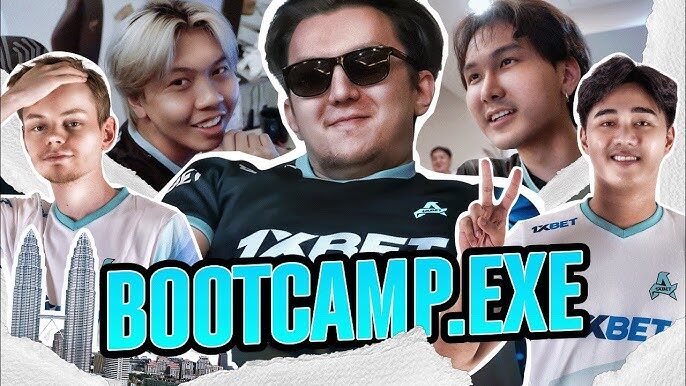
This year’s regional movement has been particularly fascinating. Europe remains the central hub for competition due to its depth of talent and access to larger prize pools. Yet, Southeast Asia (SEA) is making quiet but steady progress, with several players returning from North America and EU to compete closer to home.
Examples include:
- Winbuki and Zenith leaving EU scrims to rejoin SEA’s growing scene.
- NovaX establishing a Malaysian bootcamp with cross-regional partnerships.
- Vietnam-based trio led by Zelo experimenting with hybrid SEA/EU training schedules.
This regional mixing has led to a richer, more unpredictable global competitive map. SEA’s rise may still be in progress, but its momentum is real — and it’s reshaping how organizations think about global talent pipelines.
Beyond the Meta – Fortnite Esports Rostermania 2025
The game’s mechanics evolve every season, but in 2025, mental preparation has become the most valuable weapon. Players are now openly discussing burnout, focus, and the psychological toll of competing at the highest level.
Teams like Falcon Esports have introduced mental coaching sessions and weekly performance reviews to maintain morale. Meanwhile, Sorin Esports uses simulation-based training to help players adapt to pressure moments — an approach inspired by traditional sports.
This mental evolution mirrors a broader shift in esports culture: winning isn’t only about who edits faster or builds higher, but who thinks clearer under pressure.
Conclusion: The Blueprint for Fortnite’s Competitive Future
As the dust settles on Fortnite Esports Rostermania 2025, it’s clear this was more than an offseason — it was a full-scale transformation. The line between mechanical excellence and mental mastery continues to blur, and organizations are becoming more strategic, analytical, and globally connected than ever.
The coming FNCS season will test whether these roster experiments pay off. But one thing is certain: Fortnite’s professional scene has entered a new age of intentional evolution. The winners of tomorrow are not just the most skilled — they’re the most adaptable.


