

While the spotlight often falls on players and in-game leaders, the real backbone is usually hidden behind them. Coaches, analysts, and performance specialists form the structural core that keeps elite teams stable under pressure.
For Fnatic 2026 VCT leadership is not just another campaign to survive. It is a direct test of whether their leadership ecosystem can translate planning into repeatable wins. This piece looks at how Fnatic’s coaching and support structure is evolving for a data-driven, high-pressure competitive era.
Fnatic 2026 VCT leadership -Why support leadership matters in esports


In modern esports, leadership extends beyond the server. Coaches guide tactical evolution, analysts decode opponents, and performance staff safeguard mental and physical resilience. A cohesive support ecosystem ensures that players can focus purely on execution. In Valorant’s volatile meta, this level of structured leadership can make or break a team’s consistency over a long competitive season. Source: Esports.net
Fnatic’s current coaching & analyst lineup (Fnatic 2026 VCT leadership)
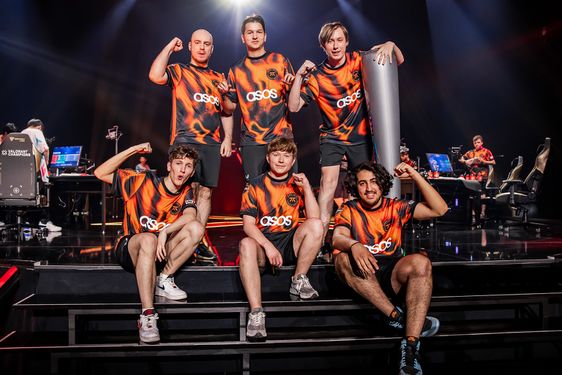

Fnatic’s 2026 structure aims to combine experience with innovation. While official names are yet to be finalised, sources indicate a hybrid team comprising a head coach focusing on macro-level play, an analyst managing opponent breakdowns, and a performance coach dedicated to individual player growth. A potential addition—a data scientist—marks Fnatic’s push toward AI-assisted analysis and predictive modelling for match preparation.
Roles and responsibilities: who does what?
Fnatic’s ecosystem functions like a high-performance machine:
- The Head Coach directs overarching tactical frameworks and mid-season adjustments.
- The Analyst refines these strategies using opponent footage, statistical tendencies, and scrim data.
- The Performance Coach aligns player mindset and physical readiness with competitive goals.
- The Data Scientist transforms gameplay metrics into actionable insights—bridging intuition with numbers.
Together, they create a balanced feedback loop between preparation, execution, and adaptation.
Fnatic Staff & Leadership Roles — 2026
| Role | Person / Position | Leadership Impact |
|---|---|---|
| Head Coach | [Name TBD] | Main tactical vision |
| Analyst | [Name TBD] | Opponent studies & meta tracking |
| Performance Coach | [Name TBD] | Player wellbeing & mindset |
| Data Scientist | [Name TBD] | Metrics, trends, simulation |
How leadership supports performance, wellbeing & adaptation


Fnatic’s philosophy integrates performance psychology with data analytics. The performance coach oversees burnout prevention, travel recovery, and mental readiness. While the analyst team ensures players are equipped with precise counter-strats. Leadership meetings often merge data insights with emotional awareness—ensuring that decisions account for both tactical and human variables.
Future of support leadership: data, AI and meta-analysis


The next evolution in esports leadership lies in automation and predictive modelling. Fnatic’s exploration into AI-driven meta analysis, using large-scale scrim datasets and heatmaps, reflects a growing industry shift. As tactical margins narrow, the ability to forecast meta shifts through data may separate good teams from great ones. By 2026, expect Fnatic’s backend leadership to operate a Formula 1 analytics team—fast, precise, and adaptive.
Championship teams are never built on raw mechanics alone. They’re shaped by invisible leadership layers that empower every role to perform optimally. Fnatic’s 2026 approach embodies this principle: an integrated, multidisciplinary ecosystem that unites coaching, analytics, performance psychology, and data science. If executed effectively, this leadership model could become the gold standard for professional Valorant organisations worldwide.


