

For too long, the industry relied on the “more is better” philosophy, leading to massive digital landscapes that often felt hollow or overwhelming. In 2026, the community has pushed back against these “check-box” simulations. The current open world game 2026 landscape addresses this by prioritizing intentionality. Rather than scattering thousands of meaningless collectibles across a map, modern studios are focusing on “curated spontaneity.” This design shift ensures that when a player wanders off the beaten path, they find a unique story or a mechanical challenge rather than a repetitive task that feels like busywork.
| Classic Frustration | The 2026 Solution | Representative Title |
|---|---|---|
| Marker Bloat | Diegetic navigation & wind cues | Ghost of Yotei |
| Static NPCs | Advanced scheduling & AI memory | Kingdom Come 2 |
| Superficial Maps | Interior depth & vertical layers | Cyberpunk 2077 |
| Choice Paralysis | Curated hubs & branching logic | Baldur’s Gate 3 |
Curing Environmental Emptiness with High-Density Design
One of the most persistent issues in the history of adventure games was the “miles of nothing” problem—vast terrains that looked beautiful but offered zero interaction. The solution has been a transition toward “micro-density.” Instead of expanding horizontal boundaries, developers are now filling every square meter with life. In games like Cyberpunk 2077, the city isn’t just a backdrop; it is a multi-story machine where every alleyway can lead to a unique encounter. This solves the boredom of travel by ensuring that the journey itself is the gameplay, rather than just a gap between missions.
- Layered Exploration: Utilizing underground tunnels and rooftop passages to triple the playable area.
- Lived-in Detail: Using high-fidelity assets to tell a story without a single line of dialogue (Environmental Storytelling).
- Reactive Environments: Portals, destructible terrain, and shifting weather that force players to adapt their strategy.
Navigating Without a Compass: Solving the GPS Addiction

A major hurdle for immersion was the player’s reliance on the HUD. We often spent more time staring at a glowing dotted line on a minimap than the world itself. To fix this, exploration games have embraced “natural guidance.” By using lighting, unique architectural landmarks, and even the direction of the wind—as seen in Ghost of Yotei—games are training our eyes to look at the horizon again. This “solution” has turned navigation into a puzzle, making the act of finding a hidden valley feel like a personal victory rather than a GPS-guided errand.
Bridging the Narrative Gap in an Open world game 2026
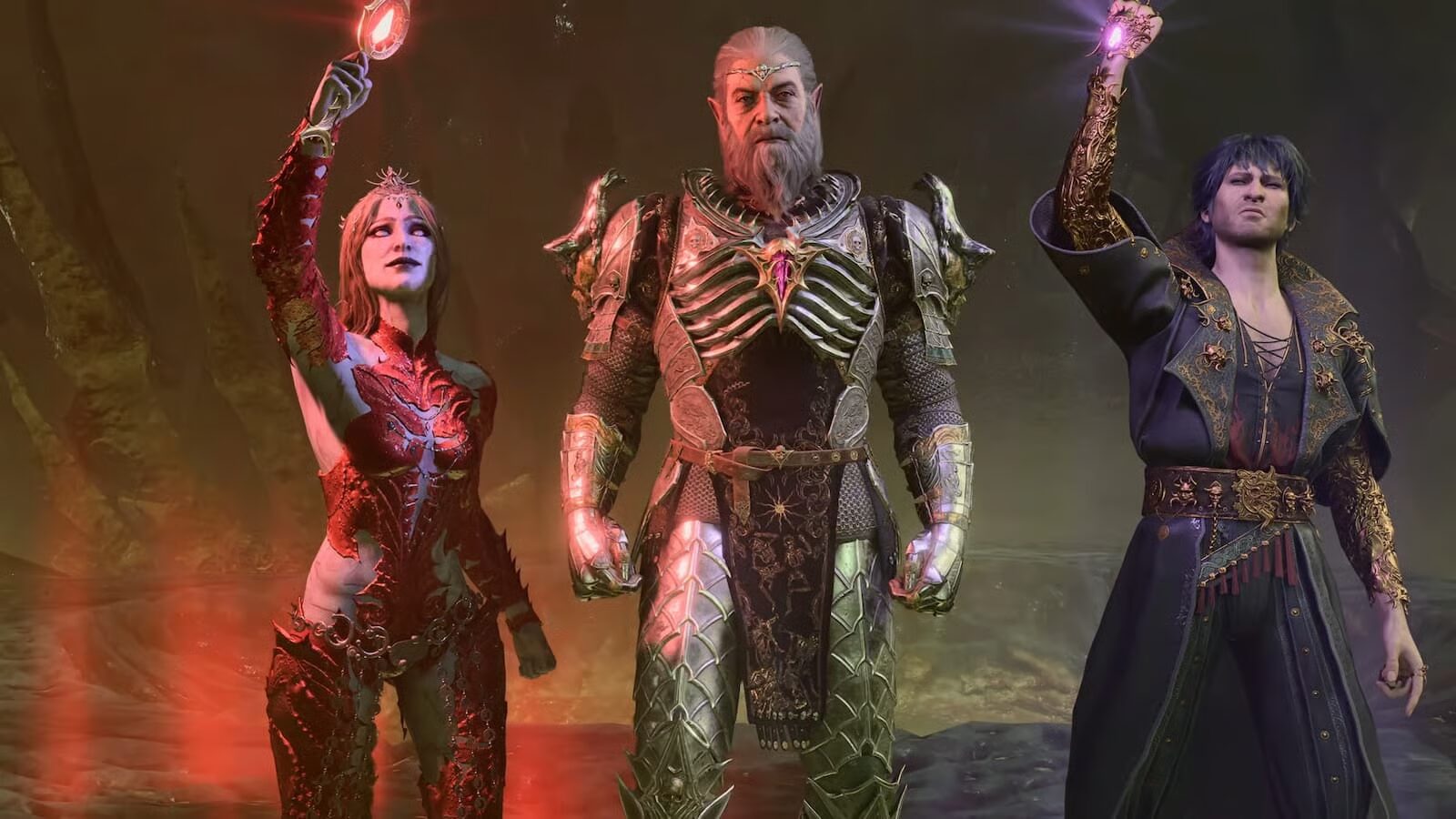
The “ludo-narrative” disconnect—where the main story feels urgent but the world allows you to waste time—has long been a immersion-breaker. The fix in many RPG open world titles is the integration of world-states. In The Witcher 3 or Baldur’s Gate 3, the world doesn’t wait for you; it reacts. If you ignore a problem, it might evolve or disappear entirely. This creates a sense of “dynamic urgency,” where side activities actually impact the political or social climate of the main plot, making the entire experience feel like a single, cohesive narrative.
Optimizing the Technical Experience for Next-Gen Enthusiasts
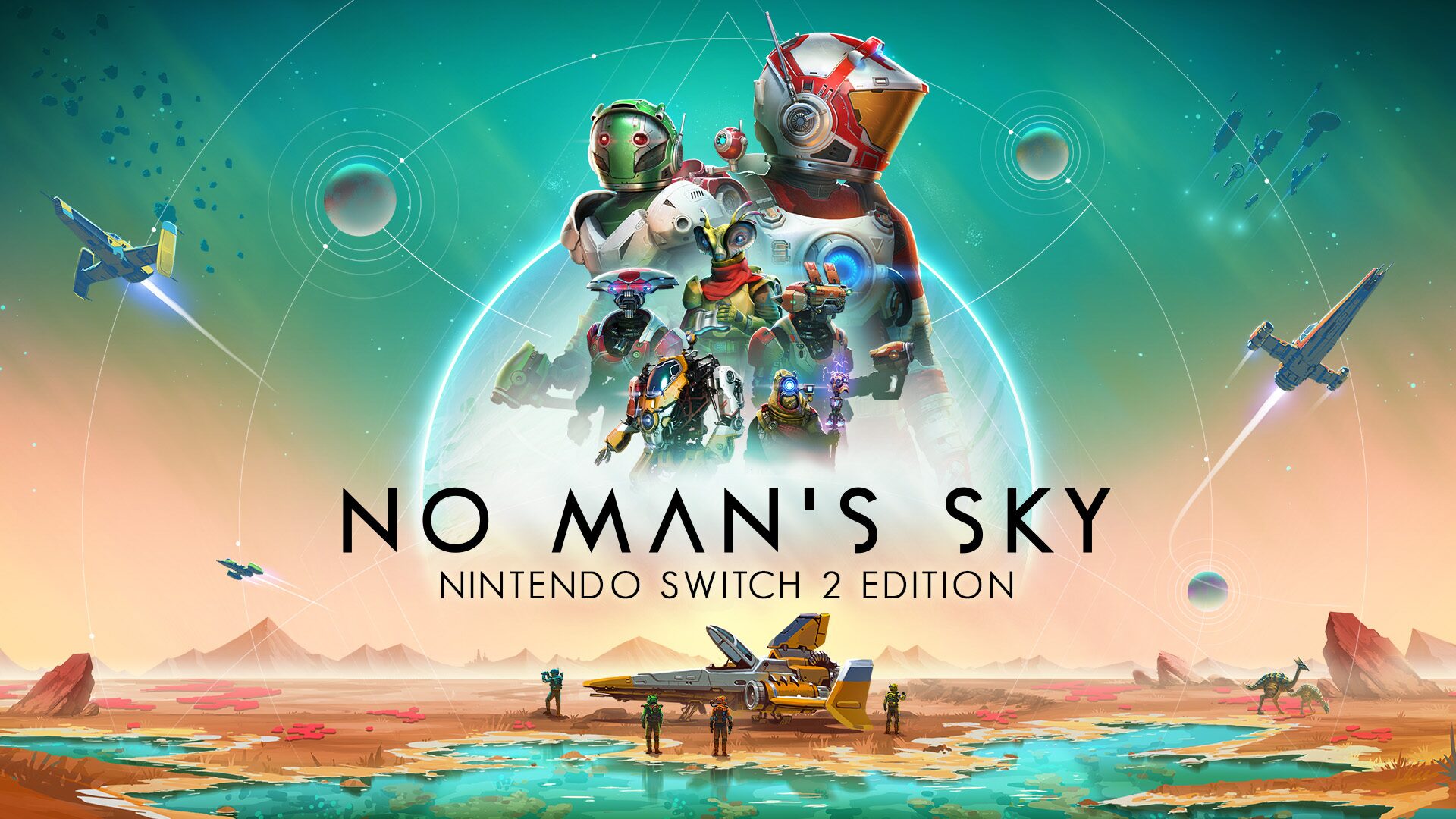
Technical friction, such as stuttering frames and long loading screens, used to be the price of admission for a massive map. However, the latest updates for PC games and PS5 games have finally smoothed these edges. Through the use of direct-storage technology and seamless world-streaming, titles like Starfield and No Man’s Sky have solved the “loading gate” issue. Players can now move from a bustling spaceport to a desolate moon without a single break in the action. This technical fluidity is the final piece of the puzzle, allowing the player to remain fully “locked in” to the virtual reality.
Conclusion: A More Refined Future for Digital Horizons
The “Problem-Solution” cycle of the last few years has matured the genre into something far more sophisticated than a simple sandbox. The open world game 2026 is no longer a test of endurance, but a test of curiosity. By addressing the core complaints of the player base—bloat, emptiness, and lack of agency—developers have created worlds that are truly worth the time we invest in them. We have moved past the era of the “map-clearer” and into the era of the “explorer.”
As we anticipate the arrival of future giants like GTA 6 or The Elder Scrolls VI, it is clear that the standard for quality has been permanently raised. The solutions we see today—reactive AI, organic navigation, and dense verticality—will be the foundation for the next decade of digital adventure. For the player, this means that the next time you step into a virtual world, you can trust that there is a purpose behind every mountain and a story behind every door.


