

Alexei Popyrin Australian Open – There is something seductive about a player who can serve 40 aces in a single evening. It creates an illusion of invincibility, a feeling that a win is inevitable once the big man finds his rhythm. But on Monday night, the Alexei Popyrin Australian Open narrative became a sobering reminder that tennis isn’t a serving contest; it’s a game of managing pressure. Popyrin stepped onto John Cain Arena looking to break a curse, but instead, he became a victim of his own inability to close. While the crowd roared for the raw velocity, the reality was a player who looked lost the moment the points went beyond a three-shot rally.
A Statistical Masterpiece in a Losing Effort
If you looked at the stats without the score, you’d assume Popyrin was in the second round. The numbers he put up against Alexandre Muller were nothing short of eye-popping, yet they served as a smokescreen for a deeper tactical failure. Popyrin dominated the “showreel” categories but fell completely flat in the “clutch” categories. It’s one thing to rain down fire when you’re 40-0 up; it’s quite another to find a first serve when the match is on the line in a fifth-set tiebreaker.
| The Paradox | Popyrin’s Dominance | The Fatal Flaw |
|---|---|---|
| Service Velocity | 40 Aces | Lost both service points at 5-4 (Set 4) |
| Baseline Power | 68 Winners | 52 Unforced Errors |
| Match Control | Served for match at 5-3 | Broken back at love |
| The Result | Won more points (Set 1) | Lost the war of attrition |
The Collapse of the “Clutch” Gene – Alexei Popyrin Australian Open
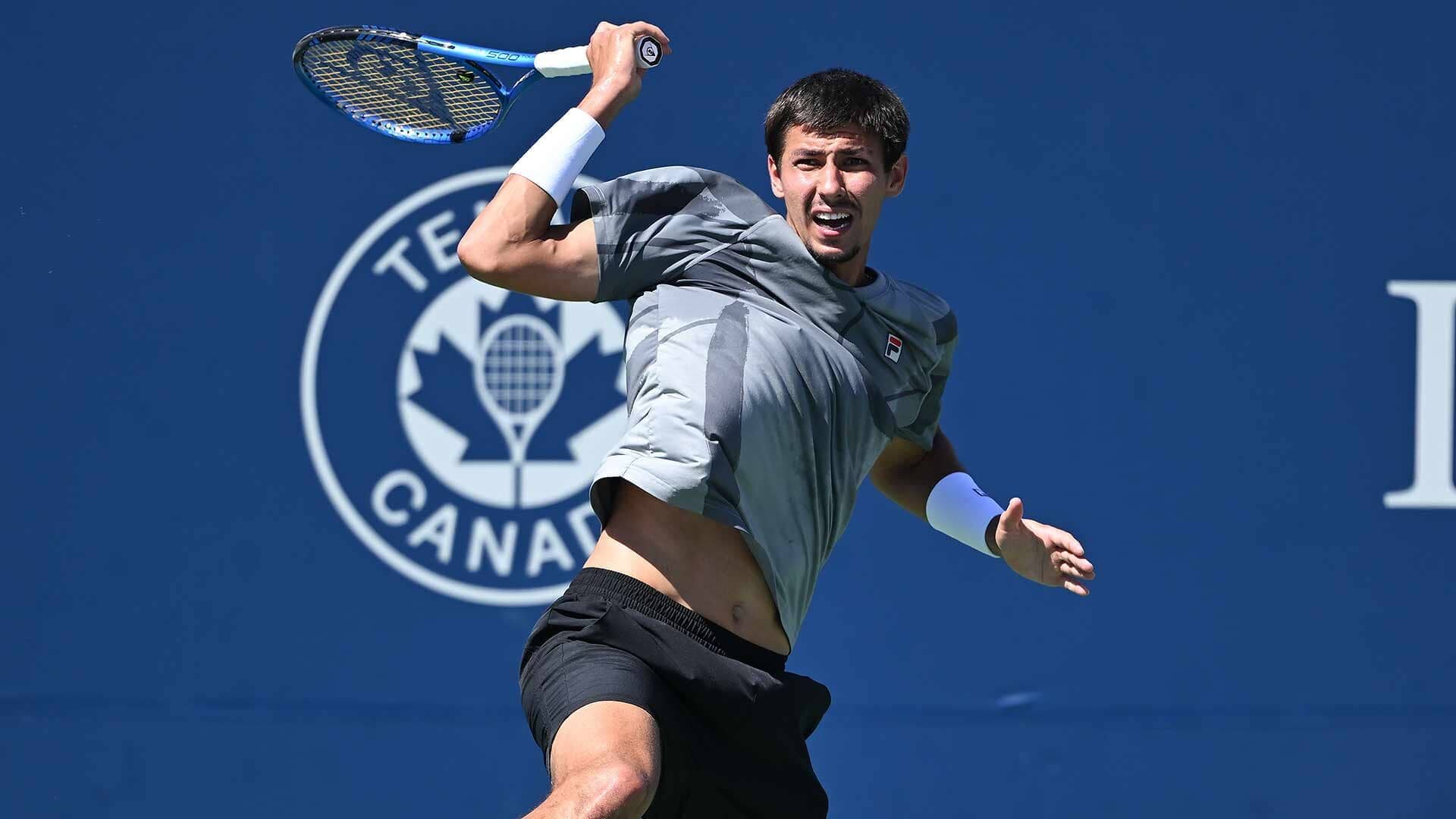
Let’s get real: Popyrin didn’t just lose this match; he let it slip through his fingers like sand. Leading 5-2 in the fourth-set tiebreaker is a position where any top-20 talent—which Popyrin claims to be—should be booking their post-match ice bath. Instead, we watched a total mental freeze. Five straight points to Muller didn’t happen because the Frenchman hit winners; they happened because Popyrin’s tactical discipline disintegrated the moment the finish line came into view.
- Serve Selection: A reliance on the “T” serve that became predictable under pressure.
- Forehand Over-Hitting: Trying to end points too early rather than grinding out the win.
- The “Safety” Trap: Playing too cautiously on the second serve when the nerves kicked in.
Excuses, Glitches, and the Injury Narrative – Alexei Popyrin Australian Open
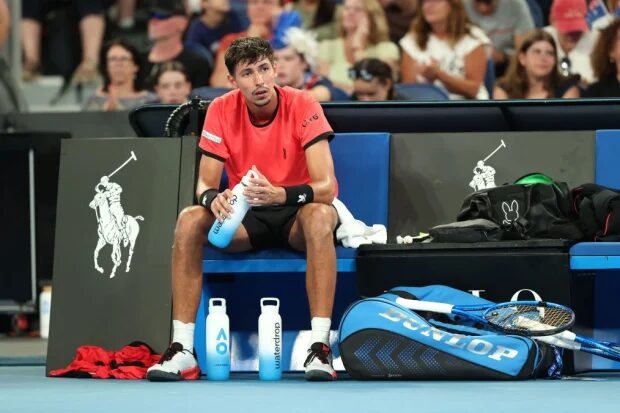
In the aftermath, much has been made of the medical timeout and the stadium’s “audio drama” delay. While those things are certainly annoying, using them as a shield for a seventh consecutive loss is a dangerous game. Every professional player deals with physical niggles and technical hitches in a four-hour marathon. The fact is, Popyrin was physically healthy enough to crack 130mph serves until the very last point. The failure wasn’t in his calf or the stadium speakers; it was in the “mental performance” gap that continues to haunt his 2026 season.
From Montreal Magic to a Ranking Crisis
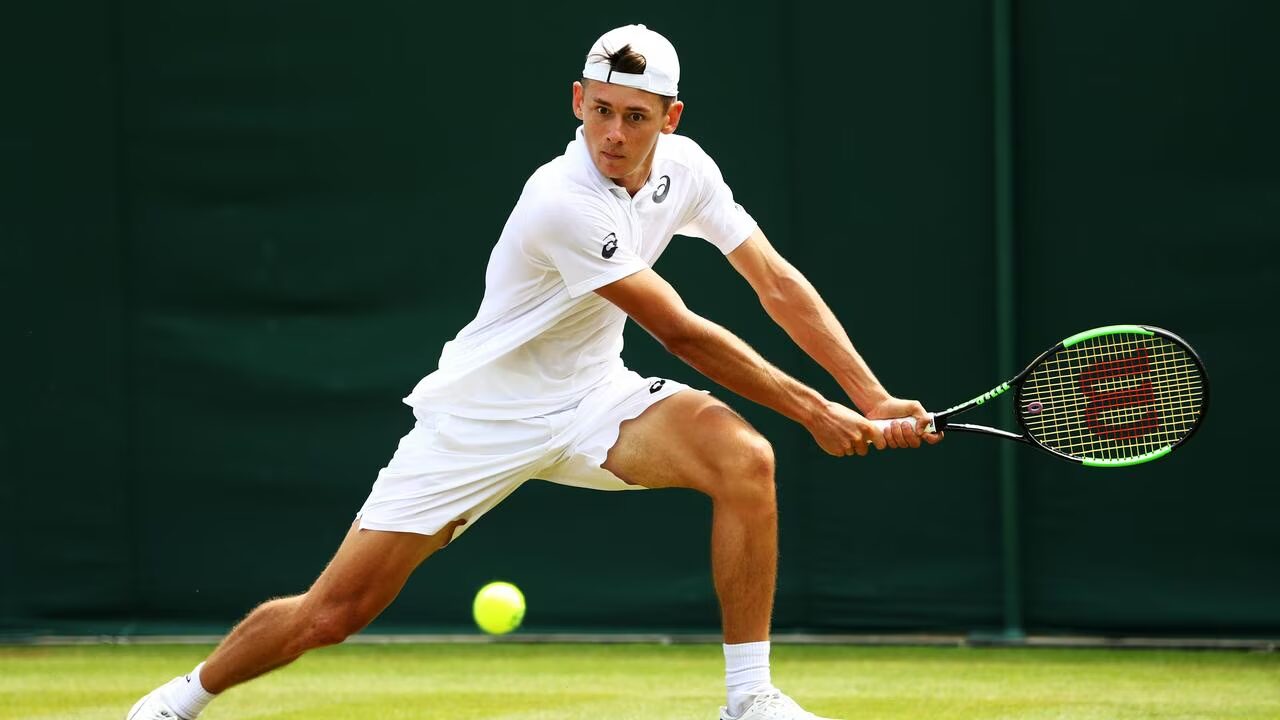
The 2024 Montreal title is starting to feel like a lifetime ago. While we all celebrated his victory over Djokovic, the “post-Montreal hangover” has now turned into a full-blown identity crisis. Entering the Alexei Popyrin Australian Open campaign at No. 50 was already a red flag, but this early exit will send his ranking into a freefall. While Alex de Minaur and Jordan Thompson are finding ways to win “ugly,” Popyrin seems stuck trying to win “perfectly” with a power game that has become high-risk and low-reward.
Conclusion: The Wake-Up Call for Popyrin
The 2026 season is far from over, but the road back to relevance for Alexei Popyrin starts with a long look in the mirror. You can’t hit 40 aces and lose unless something is fundamentally broken in your tactical approach to high-stakes moments. As the tour moves toward Dubai and Indian Wells, the “Hammer” needs to learn how to be a “Grinder.” If he can’t find a way to win when the aces stop falling, his stay in the top 50 will be a very short one.


