

Liverpool returned to Anfield searching for recovery, but instead found themselves deeper in the storyline shaping the Liverpool crisis explained conversation. With five losses in six league matches already weighing on the squad, the tension around the stadium was evident from the opening whistle. Nottingham Forest embraced it, playing with clarity and conviction that quickly turned the atmosphere unsettled.
The match unfolded in a way few expected: Forest grew stronger with each minute, while Liverpool’s early energy evaporated. As the Kop watched nervously, Forest’s direct play, smart decision-making, and disciplined shape swung momentum in their favour — and eventually delivered one of the standout away wins of the season.
How the Match Tilted: Forest Gain Momentum, Liverpool Struggle for Rhythm – Liverpool crisis explained
Forest approached the match with intent. They didn’t try to dominate possession; instead, they sought to dominate moments. That difference became clear early, as Forest cut off Liverpool’s central channels and repeatedly forced the champions into slow, wide patterns. Williams and Murillo stepped into key challenges, setting the tone for the night.
Liverpool’s play, by contrast, lacked the sharpness usually seen at Anfield. Examples of their struggles emerged quickly:
- Vertical passes into the forwards were easily intercepted
- Gravenberch and Mac Allister couldn’t dictate tempo
- Defensive transitions left large spaces for Forest to attack
- Isak’s hold-up play rarely progressed Liverpool’s attacks
With every successful Forest transition, the visitors grew more confident — and the Kop grew increasingly tense.
Match Momentum Snapshot
| Phase | Liverpool | Forest |
|---|---|---|
| Opening 20 Minutes | Controlled possession with little impact | Stable defensive shape, patient approach |
| Late First Half | Struggled to connect midfield to attack | Threatened on counters and set-pieces |
| Second Half | Lost defensive shape after restart | Clinical finishing, sustained momentum |
It became clear long before the goals that Forest were dictating the tempo in crucial areas of the pitch.
The Breakthrough Moments: Three Goals That Defined the Story – Liverpool crisis explained
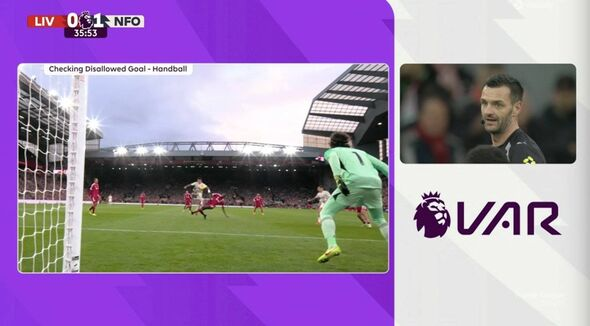
Forest’s opener came from a moment Liverpool have been unable to shake: set-piece uncertainty. A second-phase scramble allowed Murillo to fire through a crowded box. With Ndoye positioned close to Alisson, VAR reviewed the goal, but it was ultimately awarded. Liverpool’s frustration was immediate — and visible.
The second half couldn’t have started worse for Liverpool. Within 39 seconds, Forest sliced through a disorganised midfield. Williams drove forward with intent, and Savona arrived in the box completely unmarked to convert. It was a moment that captured Liverpool’s lack of focus, and it shifted the mood dramatically inside Anfield.
The third goal sealed the narrative. Hutchinson beat Robertson down the flank, forced Alisson into a parry, and Gibbs-White reacted quickest to make it 3–0. As the ball hit the net, large pockets of the Kop began to empty — a rare sight that underscored the significance of the moment.
Standout Performers: Forest Rise While Liverpool Fade
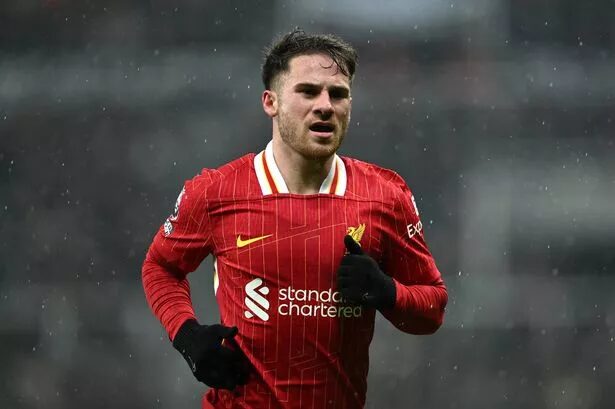
This match highlighted a wide contrast in individual performances. For Liverpool, some key players were unable to influence the match as expected. Salah began brightly but faded as Forest tightened their block. Mac Allister found himself bypassed during transitions. Van Dijk and Konaté worked hard but could not maintain defensive cohesion. And Isak struggled to win duels or link play in meaningful ways.
Forest, on the other hand, showcased composure and execution across the pitch:
- Murillo dominated both aerially and in tight spaces
- Williams provided an outlet that repeatedly stretched Liverpool
- Savona exploited Liverpool’s slow tracking with sharp runs
- Gibbs-White offered consistent movement and took his chance well
It was a performance built on discipline and timing — features that Liverpool struggled to match across the 90 minutes.
What This Means Going Forward: A Turning Point for Both Sides – Liverpool crisis explained
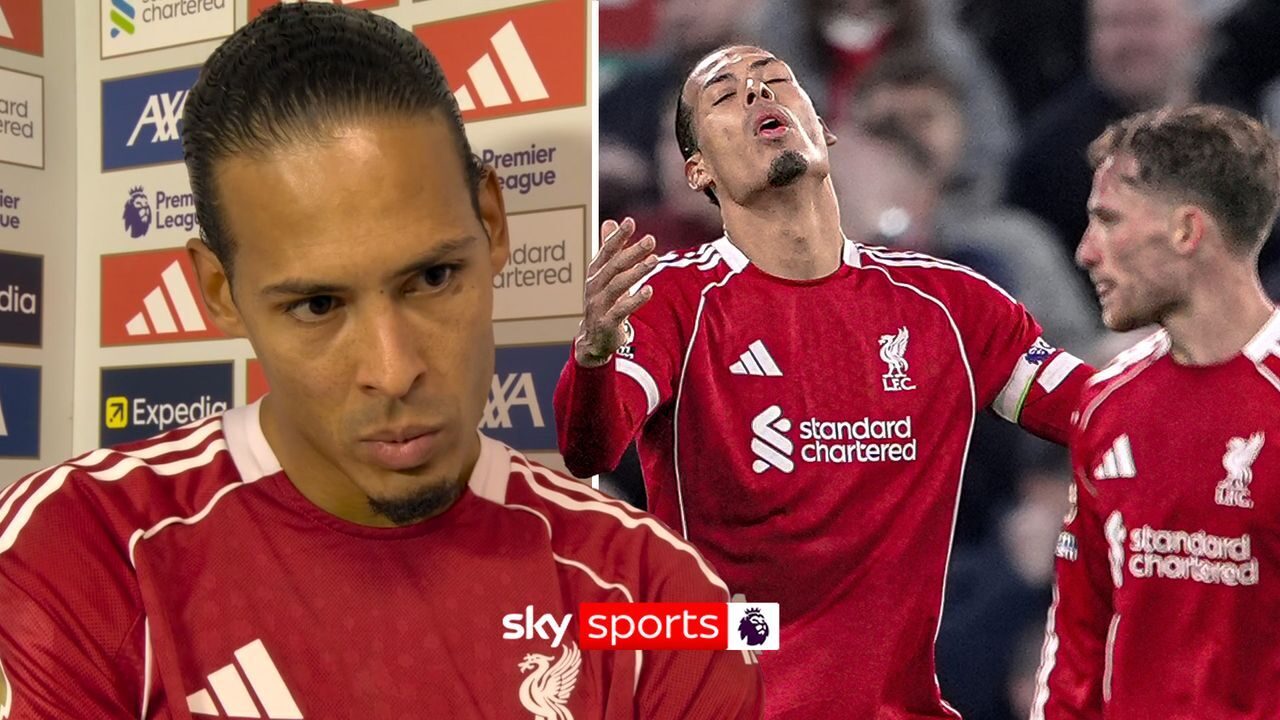
For Liverpool, the defeat deepens the concerns surrounding their form. Six losses in seven league games, back-to-back home defeats by three goals, and growing uncertainty in their tactical identity have added urgency to the ongoing analysis around team structure and confidence. This performance fed directly into the Liverpool crisis explained narrative that has shaped recent discussions about their season.
For Forest, the impact is entirely different. Dyche’s side recorded back-to-back Premier League wins and climbed out of the relegation zone. The performance suggested a team finding belief, clarity, and cohesion at the perfect time — and one that is fully committed to the tactical model they’re building.
Conclusion: A Result That Marked a Shift in the Season’s Storyline
Forest’s 3–0 win at Anfield will be remembered as one of the standout results of the campaign — a night that didn’t just reflect form but revealed deeper traits within both teams. Liverpool’s structural issues, lapses in transitions, and fading confidence were laid bare, offering another chapter in the Liverpool crisis explained narrative. Forest, meanwhile, delivered a performance that may signal the start of a real resurgence.
Whether this night becomes a temporary shock or a long-term turning point remains to be seen, but its significance is undeniable. It was a match that shifted momentum, raised questions, and reminded the league that unexpected storylines are part of what makes football compelling.


