

Socceroos vs Colombia : There are friendlies where the result feels secondary, and then there are friendlies like the Socceroos’ 3–0 defeat in Bogotá—matches that show exactly where a team stands. Colombia did not just win; they dictated tempo, exposed weaknesses, and forced Australia into uncomfortable decisions from the first minute.
While Tony Popovic’s frustration with the “soft” early penalty is understandable, it would be a mistake to assume the match hinged on a single decision. From slow transitions to an overwhelmed midfield, the Socceroos faced issues that ran far deeper than officiating.
The Penalty Flashpoint : But the Numbers Tell a Different Story – Socceroos vs Colombia
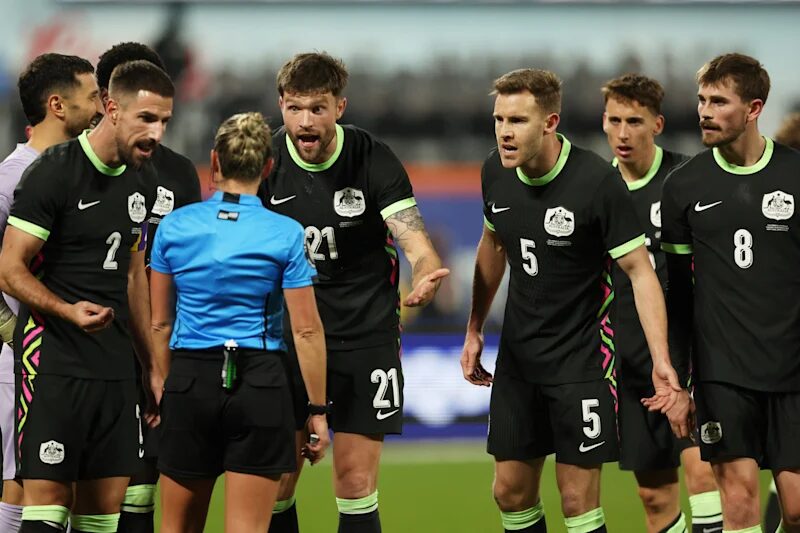
The emotional centre of Australia’s frustration came early. James Rodríguez stepped up and scored from the spot after minimal contact, a call Popovic labelled “soft” and “game-changing.” In the moment, he had a point—it forced Australia into reactive football.
But a quick look at the metrics shows Colombia were in control long before and long after that penalty:
| Metric | Colombia | Australia |
|---|---|---|
| Goals | 3 | 0 |
| Shots | 16 | 2 |
| Shots on Target | 8 | 1 |
| Possession | 65% | 35% |
| Passes | 705 | 381 |
| Pass Accuracy | 91% | 83% |
| Fouls | 16 | 2 |
| Yellow Cards | 1 | 2 |
Examples from the match confirm the pattern:
• Luis Díaz consistently found space behind the Australian fullbacks
• Colombia’s midfield pressed with a rhythm Australia could not match
• The Socceroos struggled to register meaningful touches in the attacking third
The penalty was a spark, but the fire was already burning.
Colombia’s Structure vs Australia’s Struggles : The Tactical Gap – Socceroos vs Colombia
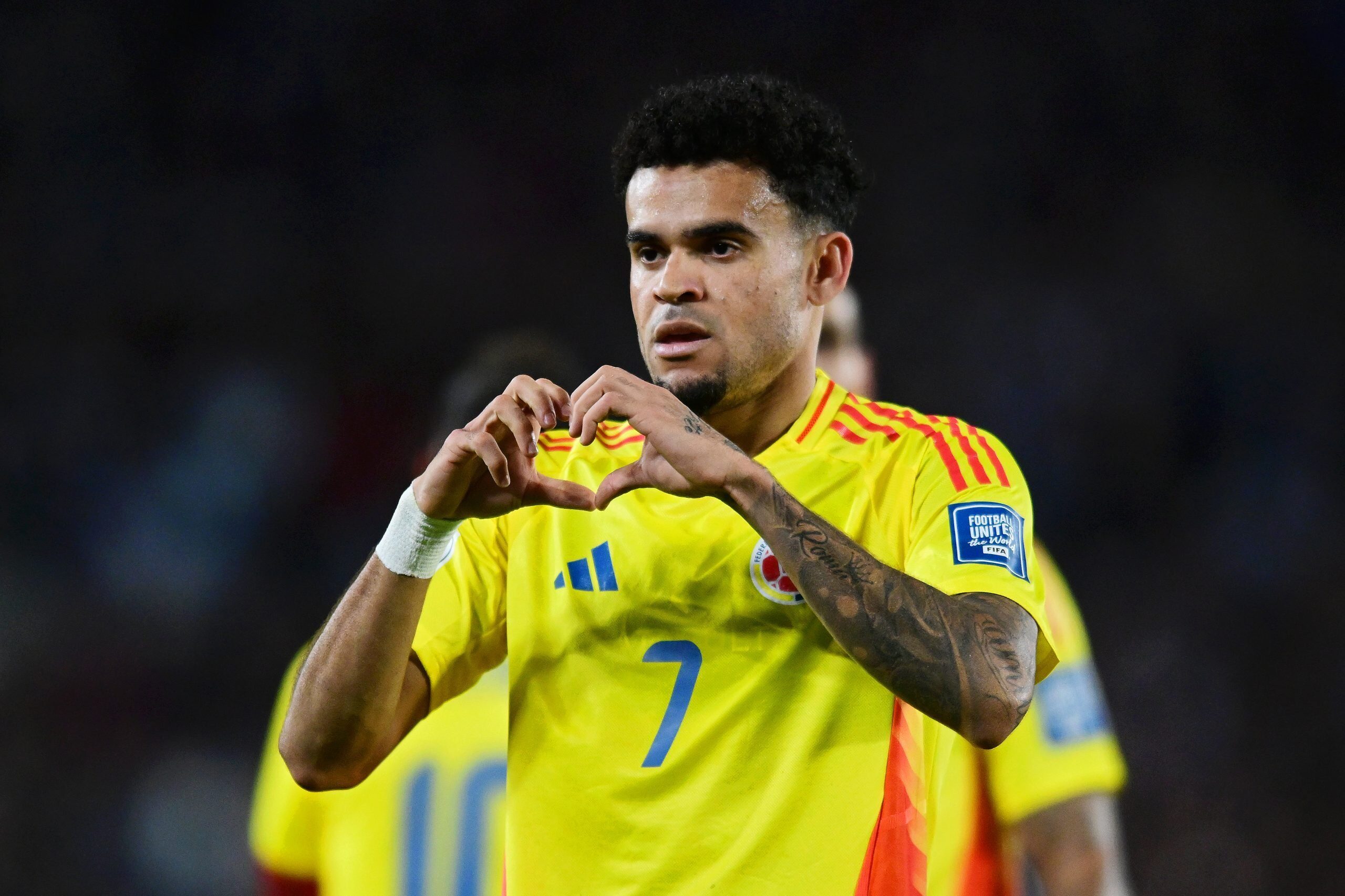
From an editorial standpoint, the most telling part of the match was not a particular goal or incident—it was the way Colombia controlled spacing. Their pressing traps forced Australia to play long, bypassing midfield entirely. When the Socceroos did try to combine, they often found themselves outnumbered.
The clearest example came midway through the first half. Jackson Irvine received possession deep, looked up, and realised he had no central passing lane. Colombia swarmed, recovered the ball, and within seconds created a shot at the opposite end.
Australia’s issues included:
• A lack of wide outlets, leading to predictable build-up
• Forwards making runs without midfield support
• Midfielders receiving the ball with their back to pressure
These are not one-off problems—they reflect a structural imbalance.
What the Match Exposed : Beyond Tactics, a Question of Identity – Socceroos vs Colombia
The editorial question after a defeat like this is simple: What does the performance say about the team’s identity?
Australia traditionally pride themselves on being difficult to break down, combative in midfield, and direct when needed. Against Colombia, none of those pillars were stable. The team looked hesitant, reactive, and unable to impose themselves physically or tactically.
Some key concerns stood out:
• Second-ball losses became routine rather than rare
• Possession spells felt rushed instead of controlled
• Players like Nestory Irankunda were left to create moments on their own
The risk is not the defeat—it’s the pattern forming around performances where Australia chase the game instead of shaping it.
Popovic’s Reaction — Fair Criticism, But Not the Full Diagnosis

Popovic’s comments after the match carried a mixture of frustration and honesty. The penalty, he argued, disrupted the squad’s rhythm and forced them into a difficult tactical shift. Fair enough. But to his credit, he also mentioned the lack of intensity and poor execution across the pitch.
In editorial terms, this is the tension:
• The penalty mattered.
• The larger structural issues mattered more.
Popovic spoke about the need for clearer defensive organisation and sharper transitions—two areas that repeatedly hurt the Socceroos. His demand for accountability suggests he understands the deeper problems, even if the headline moment was the refereeing call.
Conclusion — A Defeat That Should Spark More Reflection Than Outrage
The Socceroos vs Colombia match will likely be remembered for the “soft” penalty, but focusing on that moment alone risks missing the broader narrative. Colombia were superior in every major metric, from possession to chance creation, and Australia struggled to adjust.
If anything, this defeat should encourage reflection rather than frustration. The Socceroos need clearer attacking patterns, more composure under pressure, and a midfield capable of absorbing and initiating play. The path forward is less about disputing a decision and more about refining the identity Popovic wants this team to represent.


