

Jake Paul and Anthony Joshua have virtually nothing in common inside the ring, yet their names continue surfacing in the same conversation. This isn’t because the matchup is realistic; it’s because the sport is changing faster than its traditions can keep up. As influencer boxing grows and heavyweight narratives evolve, fans are using these two figures as reference points for a larger cultural debate. The link between them has become a symbol—and a warning—about where boxing is heading.
The Two Trajectories Driving the Conversation – Jake Paul Anthony Joshua
At the centre of this debate is a contrast between what boxing once represented and what it increasingly resembles today. Jake Paul represents disruption—an outsider using spectacle to force legitimacy—while Anthony Joshua embodies the established pathway of amateur pedigree, championship goals, and heavyweight responsibility. When these stories are placed side by side, they create tension, amusement, and sometimes outright frustration.
A quick look at their current paths highlights the divide:
This contrast is exactly why the conversation exists—it’s less about the fighters themselves and more about the categories they represent.
Why Their Names Keep Appearing Together – Jake Paul Anthony Joshua
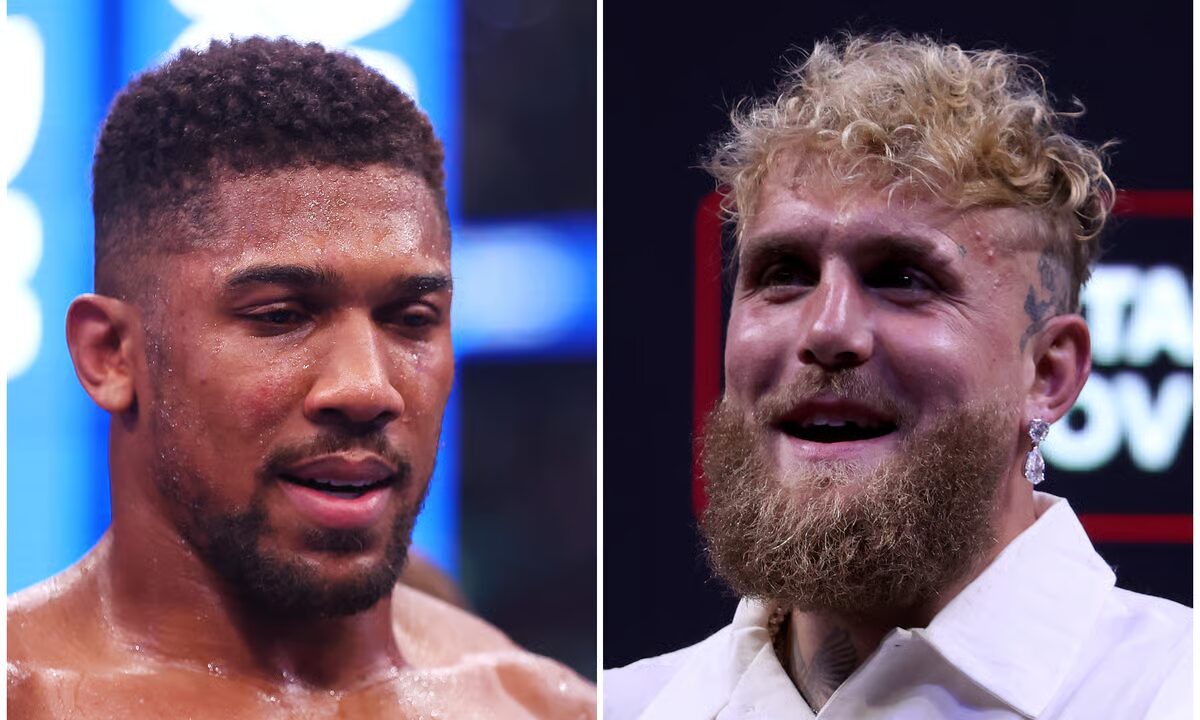
Editorial discussions often pair unlikely subjects to make a point, and this is one of those cases. By comparing Paul and Joshua, commentators highlight a sport stretched between two identities: one built on tradition, the other built on digital culture. Their shared headline space speaks to a new era where entertainment formats overpower ranking systems.
These pairings tend to emerge from:
- Social media edits that place their highlight reels side by side
- Commentators questioning how influencer boxing impacts heavyweight credibility
- Editors using both names to draw attention to boxing’s fragmentation
- Fan debates where Paul’s progress is exaggerated for effect
For many fans, the very idea of mentioning them together is deliberately provocative—a way to test the boundaries of modern boxing discourse.
The Cultural Friction Behind the Debate
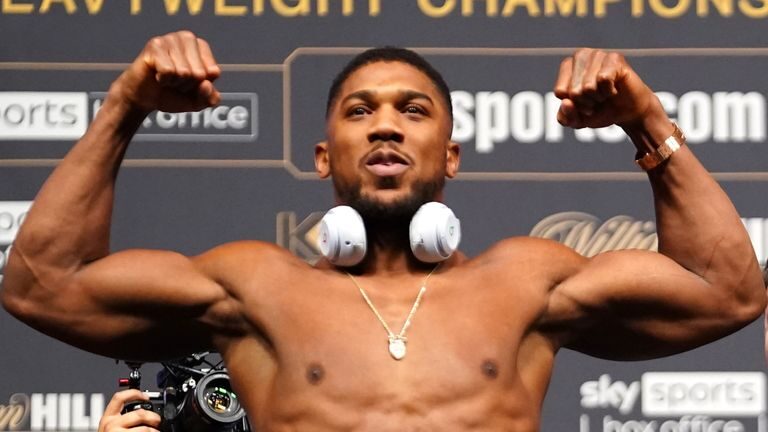
The emergence of this conversation reveals a split in boxing’s audience. Traditional fans see Joshua as a symbol of discipline and Olympic foundation. New-era viewers see Paul as a gateway to the sport—a marketer who brings eyes, revenue, and fresh storylines. When these audiences collide, the debate naturally intensifies.
Examples of this tension appear everywhere:
- Joshua supporters ridicule the idea of crossover fighters being compared to elite heavyweights
- Paul supporters argue the sport needs new stars to stay relevant
- Neutral fans simply enjoy watching old and new boxing cultures clash
- Analysts point out that the sport benefits commercially from this chaos while risking its identity
The discussion is not truly about the fighters—it’s about who gets to define the sport’s future.
The Bigger Issue: Boxing Is Redefining Itself in Real Time
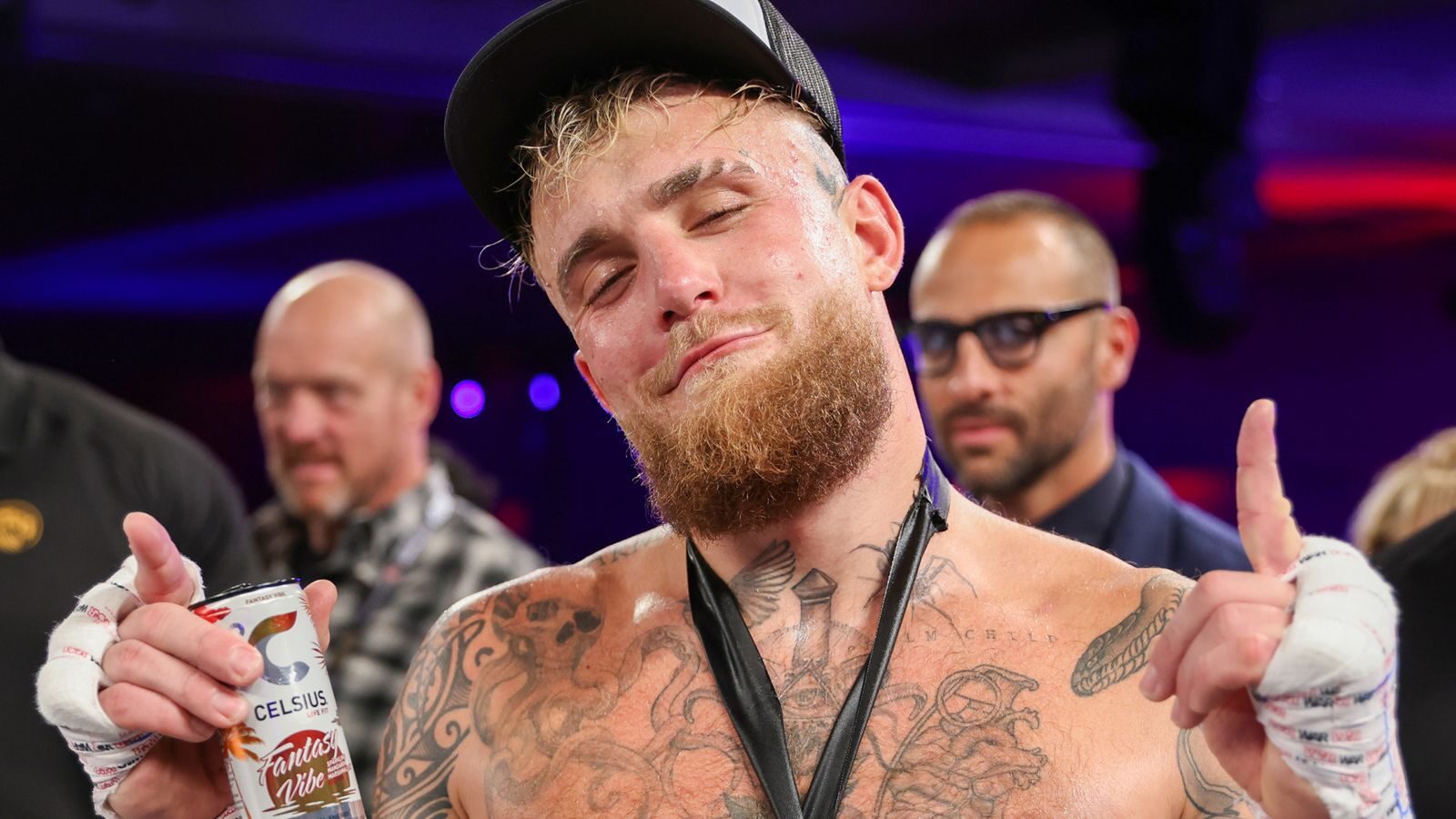
What makes this debate notable is that it reflects boxing’s identity crisis. The sport is trying to balance credibility with attention, legacy with innovation, and heritage with viral culture. Jake Paul and Anthony Joshua are merely the most convenient symbols for this divide. Cross-era comparisons like this are becoming part of boxing’s new format—one that prioritises visibility as much as merit.
As boxing shifts toward hybrid entertainment, debates like this become inevitable. They raise uncomfortable questions: Is the sport adapting or diluting itself? Are new audiences being welcomed or exploited? And where does competitive legitimacy begin or end in this new structure?
Conclusion: Why the Debate Matters More Than the Matchup
The ongoing connection between Jake Paul and Anthony Joshua is unlikely to fade because it represents something deeper than a hypothetical clash. It reflects a sport caught between two identities—one rooted in tradition, the other driven by digital storytelling. This editorial perspective shows that the Jake Paul Anthony Joshua conversation isn’t about matching them in the ring but about understanding the forces reshaping modern boxing. As long as the sport continues to evolve, their names will remain part of the same cultural dialogue, whether fans like it or not.


