

Haaland World Cup qualification : Norway’s return to the World Cup stage comes after 28 years, a journey defined by patience, strategy, and a new generation of talent. The 4–1 win over Italy at San Siro secured their qualification for 2026 and showcased Erling Haaland’s growing influence as the team’s focal point.
The victory highlighted not just individual brilliance, but Norway’s evolution into a well-structured, high-pressing, and tactically versatile side. Italy, once expected to claim the group, now face playoffs—a dramatic shift in European qualifying dynamics.
Norway’s Qualifying Journey : Key Stats and Performances – Haaland World Cup qualification
Norway’s path to the 2026 World Cup was marked by efficiency and dominance. Across eight qualifiers, the team scored 37 goals and conceded just five, showing a blend of attacking creativity and defensive stability.
| Match | Result | Goals Scored | Goals Conceded | Notable Performer |
|---|---|---|---|---|
| Norway vs Estonia | 5–0 | 5 | 0 | Haaland (2) |
| Norway vs Latvia | 3–1 | 3 | 1 | Ødegaard (2 assists) |
| Italy vs Norway | 1–4 | 4 | 1 | Haaland (2), Larsen (1) |
Additional highlights of Norway’s campaign:
- Antonio Nusa contributed pace and creativity on the right wing
- Alexander Sørloth acted as a target man and aerial threat
- Oscar Bobb linked midfield and attack with precision
The combination of tactical discipline and key performers allowed Norway to stand out from previous squads that failed to qualify in recent cycles.
The Italy Clash – Early Pressure and Tactical Adjustments
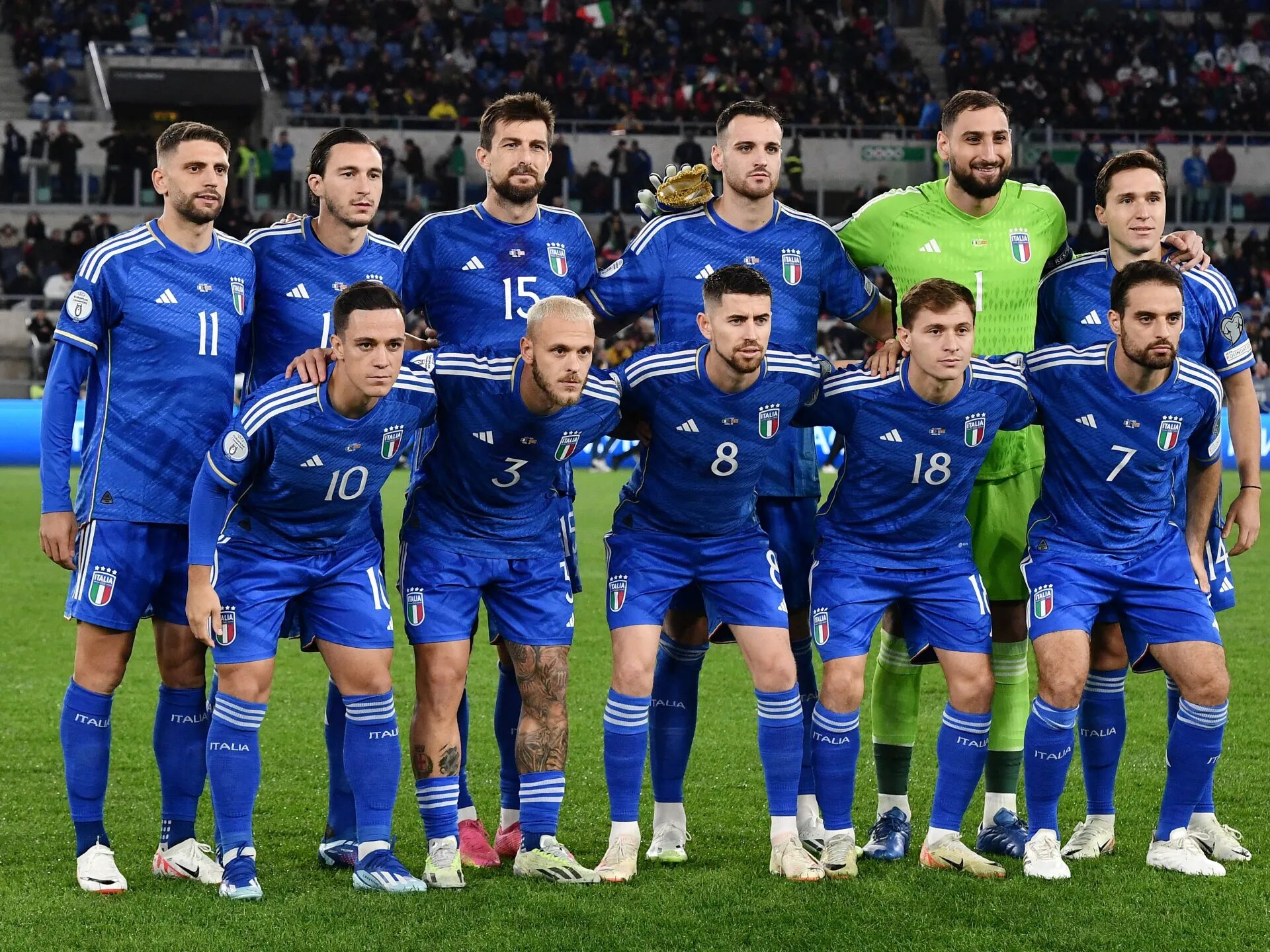
Italy began the match strongly, taking the lead in the 11th minute through Tommaso Esposito, assisted by Federico Dimarco. Norway initially struggled to establish possession and generate meaningful chances against Italy’s organized defense.
Key halftime adjustments included:
- Increasing pressing intensity to disrupt Italian possession
- Rotating midfield positions to create passing lanes
- Utilizing wide players to stretch Italy’s defensive shape
These changes laid the foundation for the team’s second-half resurgence and eventual dominance.
Second-Half Momentum : Nusa Sparks the Turnaround – Haaland World Cup qualification
After the interval, Norway’s adjustments began to take effect. Antonio Nusa’s equaliser shifted momentum, giving Norway belief and forcing Italy onto the back foot.
Other factors in Norway’s revival included:
- Sørloth and Bobb stretching the Italian defense
- Thorsby controlling transitions and maintaining midfield balance
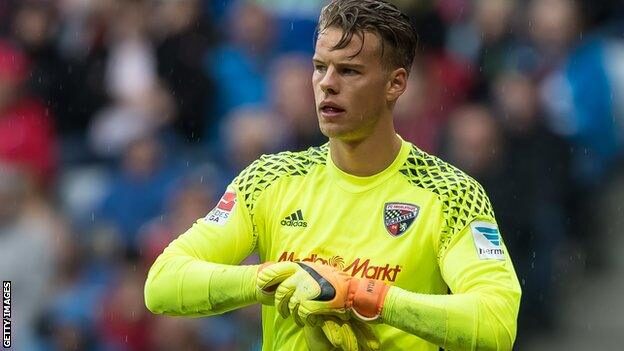
- Nyland providing reliable goalkeeping under pressure
This allowed Norway to control possession, create scoring opportunities, and steadily dictate the flow of the match.
Haaland’s Brace : Securing Norway’s Triumph – Haaland World Cup qualification

The decisive moment came in the 78th and 79th minutes when Haaland scored twice in quick succession, taking advantage of Bobb’s vision and movement. His first goal showcased his speed and precision, while the second exposed Italy’s defensive vulnerabilities.
Strand Larsen added a stoppage-time goal to complete the 4–1 victory. Key takeaways:
- Haaland scored in every qualifier, finishing with 16 goals
- Connection with Bobb reflected their club partnership at Manchester City
- Norway topped the group, while Italy were relegated to playoffs
This performance established Haaland World Cup qualification as a landmark moment for Norwegian football.
Conclusion – Norway Enters a New Era
Norway’s World Cup return ends a 28-year drought and ushers in a new era for the national team. Haaland leads a squad that blends star power with tactical discipline, supported by Ødegaard, Bobb, Thorsby, and Nyland.
The Milan victory transformed past near misses into achievement. Haaland World Cup qualification is now a historic milestone, signaling that Norway will enter 2026 not just to participate, but to compete at the highest level.


