

F1 Rookie’s Brazil Misfortune – Gabriel Bortoleto arrived at São Paulo as Brazil’s newest F1 prospect, bringing local fans’ excitement to a fever pitch. The first Brazilian driver in nearly a decade to race at Interlagos, he carried the hopes of thousands waving flags and chanting from the stands.
Expectations were high, but the weekend quickly became a test of resilience. Across two sessions, Bortoleto’s fortunes reversed dramatically. The F1 rookie’s Brazil misfortune became a defining narrative, showing the unpredictability and pressures of a home debut in Formula 1.
Sprint Race Setback – F1 Rookie’s Brazil Misfortune
Saturday’s Sprint race began with promise but ended in disappointment. Bortoleto, pushing hard on a damp track, misjudged grip into Turn 1 while battling Alex Albon. The resulting contact caused a 57G crash, destroying the car and ending his session prematurely.
Sauber’s mechanics worked overnight, replacing the chassis and power unit to prepare for the main race. Bortoleto acknowledged the mistake, highlighting the learning curve for rookies and comparing his experience to early-career errors by drivers like Max Verstappen.
Weekend Incident Table
| Event | Session | Cause | Impact | Result |
|---|---|---|---|---|
| Sprint Race | Final Lap | Misjudged wet grip, contact with Albon | Heavy 57G crash | DNF, car rebuilt overnight |
| Main Race | Lap 1 | Contact with Stroll, lost control on grass | Safety Car deployed | DNF, race ended |
This table illustrates the rapid shift from potential points to setbacks for a rookie during a single weekend.
Main Race Challenges – F1 Rookie’s Brazil Misfortune
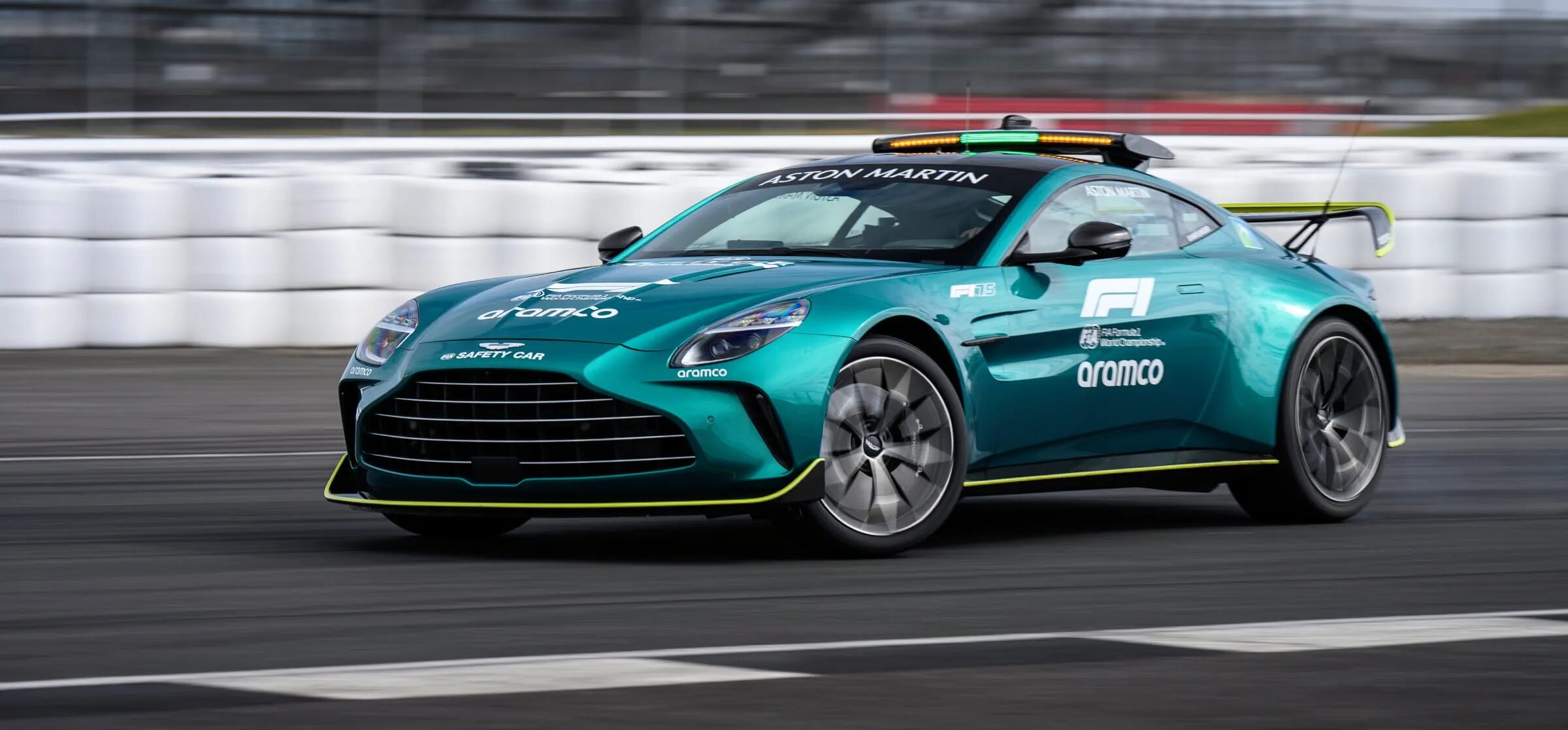
Sunday’s Grand Prix started as an opportunity to recover. Bortoleto began in P18, aiming to climb through the field. On the first lap, contact with Lance Stroll pushed him onto damp grass, causing the car to spin into the barriers and immediately ending his race.
The incident triggered a Safety Car and stunned the home crowd. A second crash in 24 hours underscored the intense pressure of a home race, recalling similar misfortunes experienced by past Brazilian drivers such as Rubens Barrichello and Felipe Massa.
Sauber’s Response and Safety Measures – F1 Rookie’s Brazil Misfortune
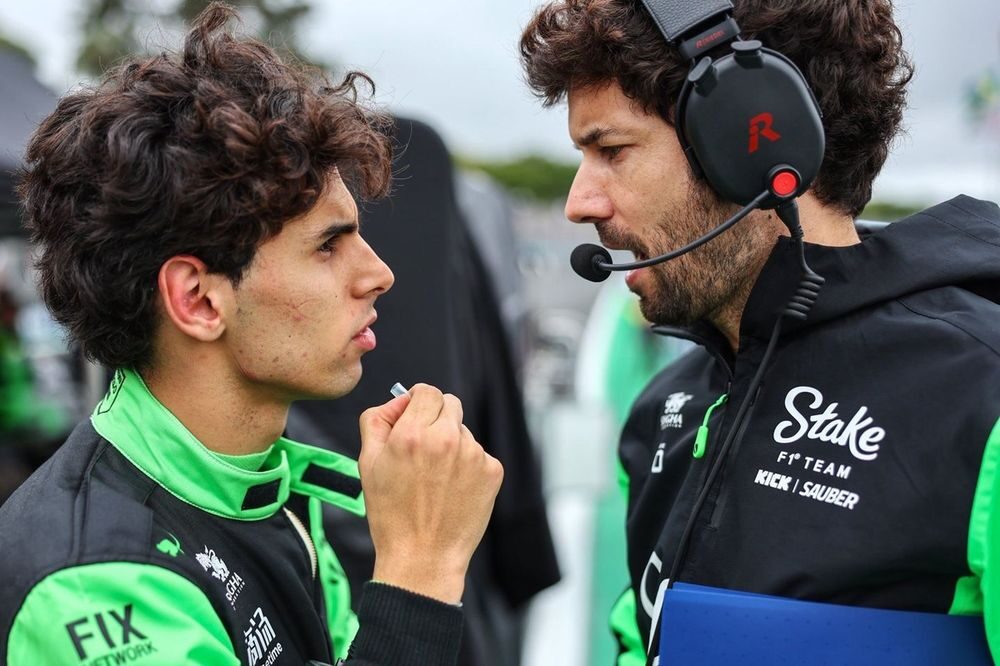
Stake F1 confirmed Bortoleto was uninjured after FIA medical checks. Team Principal Alessandro Alunni Bravi praised the rookie’s calmness and the mechanics’ overnight efforts to rebuild the car.
Back-to-back crashes took a toll on team morale and logistics, stretching spare parts and preparation resources. The official Sauber statement also thanked marshals, medical teams, and FIA officials, highlighting the importance of safety and collaboration during high-pressure rookie weekends.
Rookie Reflections and Key Takeaways
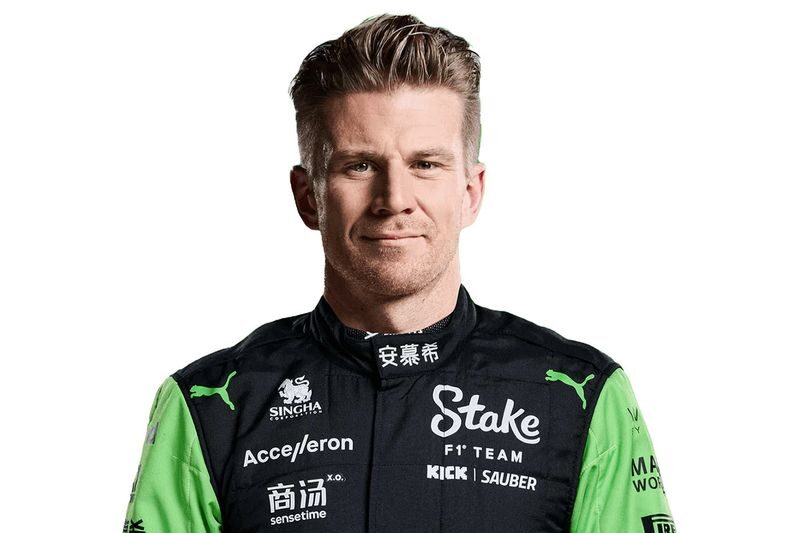
Bortoleto showed maturity in interviews, acknowledging mistakes while focusing on learning: “It’s been a tough weekend, but every lap teaches me something new.”
Other rookies, including Oscar Piastri and Andrea Kimi Antonelli, have faced similar challenges early in their careers. Bortoleto’s prior performances — outqualifying Nico Hülkenberg and scoring mid-season points — show promise despite the double crash.
Key Lessons:
- Mistakes are opportunities to improve skills and judgment.
- Mental resilience outweighs immediate results.
- Sauber’s 2026 Audi transition offers a platform for long-term growth.
These lessons are essential for rookies adapting to Formula 1’s pace and pressures.
From Setbacks to Future Potential
The São Paulo GP highlighted both challenges and growth opportunities for Bortoleto. Brazilian fans remained supportive, recognizing his professionalism and dedication despite the double crash.
For Sauber, the incidents underscored reliability issues and the importance of rookie development ahead of the final season races. The F1 rookie’s Brazil misfortune may have dominated headlines, but it represents a stepping stone. With resilience, experience, and team support, Bortoleto is poised for stronger performances in the future.


