

On November 5, 2025, the Jan Breydelstadion hosted a Champions League spectacle as Club Brugge vs Barcelona ended in a 3–3 draw. The match combined high-speed attacks, moments of brilliance, and VAR controversies, providing a full demonstration of modern European football dynamics.
Barcelona, managed by Hansi Flick, aimed to consolidate their top-eight position in the league phase, while Nicky Hayen’s Brugge sought to exploit home advantage and disrupt a favorite. The match offered insights into tactical decision-making, player performances, and the unpredictable nature of Europe’s premier competition.
Pre-Match Context and Team Setups – Club Brugge vs Barcelona
The two teams entered the match with contrasting priorities. Barcelona focused on possession and creativity, deploying Lamine Yamal, Ferran Torres, and Marcus Rashford upfront, with Frenkie de Jong anchoring midfield. Brugge, in contrast, relied on quick transitions, pace, and structured counters, with Carlos Forbs and Nicolo Tresoldi leading the charge.
Team Overview
| Team | League Phase Standing | Manager | Key Player |
|---|---|---|---|
| Club Brugge | 22nd (4 pts) | Nicky Hayen | Carlos Forbs |
| Barcelona | 11th (7 pts) | Hansi Flick | Lamine Yamal |
This contrast created a match where Barcelona’s ball dominance met Brugge’s efficiency, setting the stage for a high-tempo, tactical battle.
Early Momentum and Open Play – Club Brugge vs Barcelona
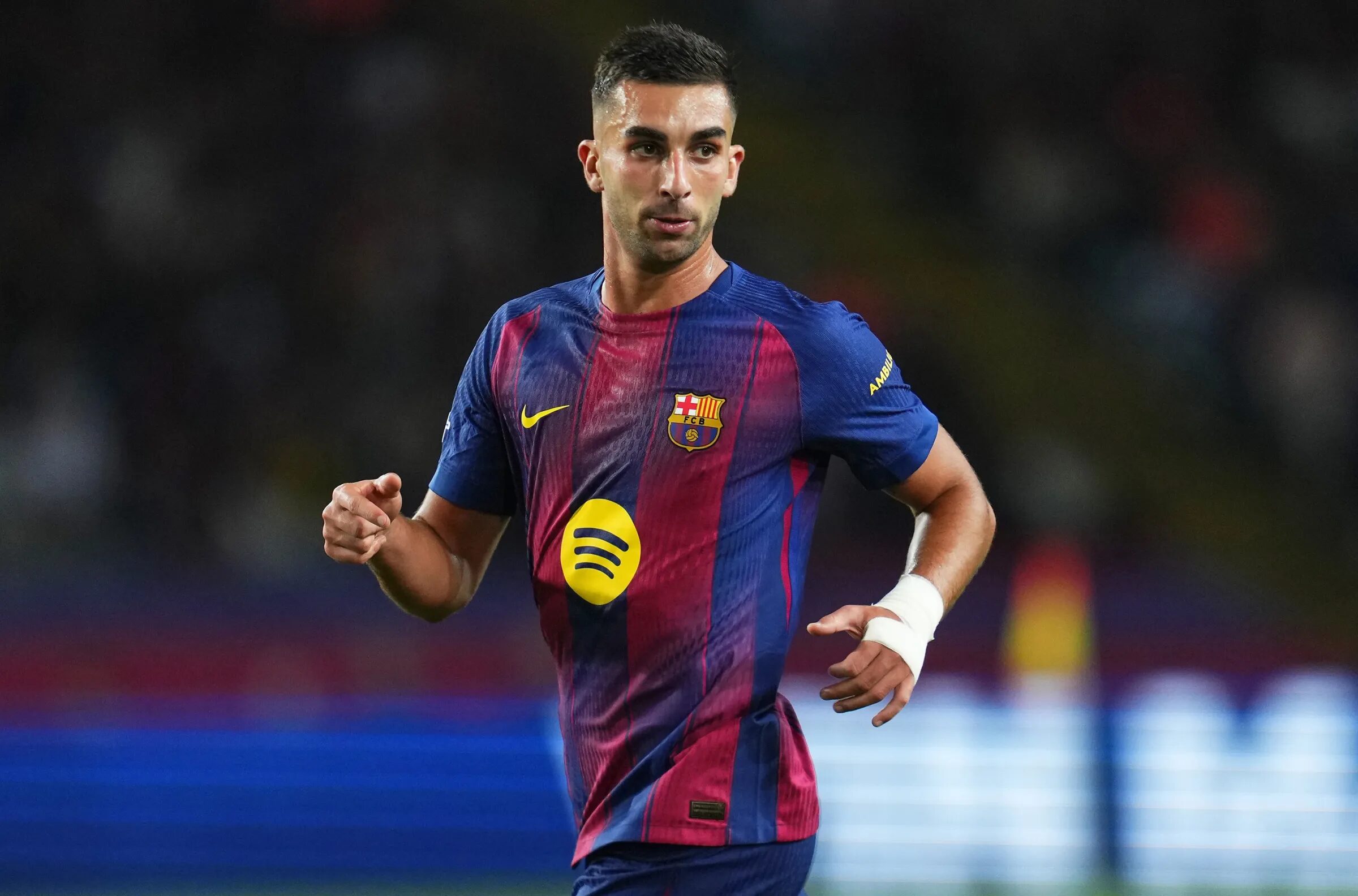
The opening 20 minutes were a display of attacking initiative from both sides. Tresoldi gave Brugge the lead in the 6th minute from a Forbs cross, quickly answered by Ferran Torres two minutes later.
Brugge regained the lead in the 17th minute as Forbs finished a rapid counterattack. The early exchanges highlighted Barcelona’s defensive vulnerability despite controlling possession. Brugge’s disciplined transitions and countering speed created constant danger, making the match an early showcase of end-to-end football.
Key Moments and VAR Decisions
The second half saw Barcelona regain parity through Lamine Yamal, who scored a stunning solo goal in the 61st minute. However, Brugge responded immediately, with Forbs completing his brace two minutes later. Barcelona equalized in the 77th minute via a Tzolis own goal, keeping the game level.
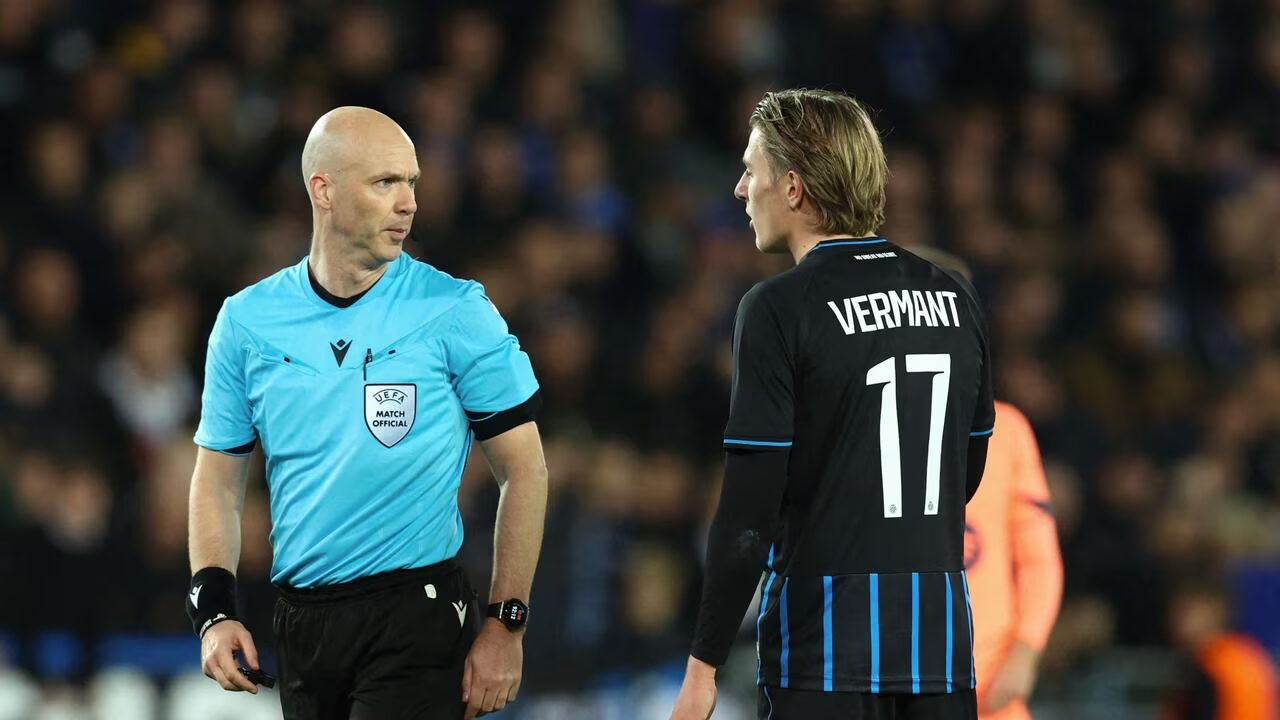
The final moments produced drama when Vermant’s stoppage-time goal appeared to give Brugge the win, only for VAR to rule it out for offside. These moments illustrated how tactical execution and technology can influence outcomes, emphasizing the importance of precision in both attack and defense.
Tactical Analysis and Player Highlights – Club Brugge vs Barcelona
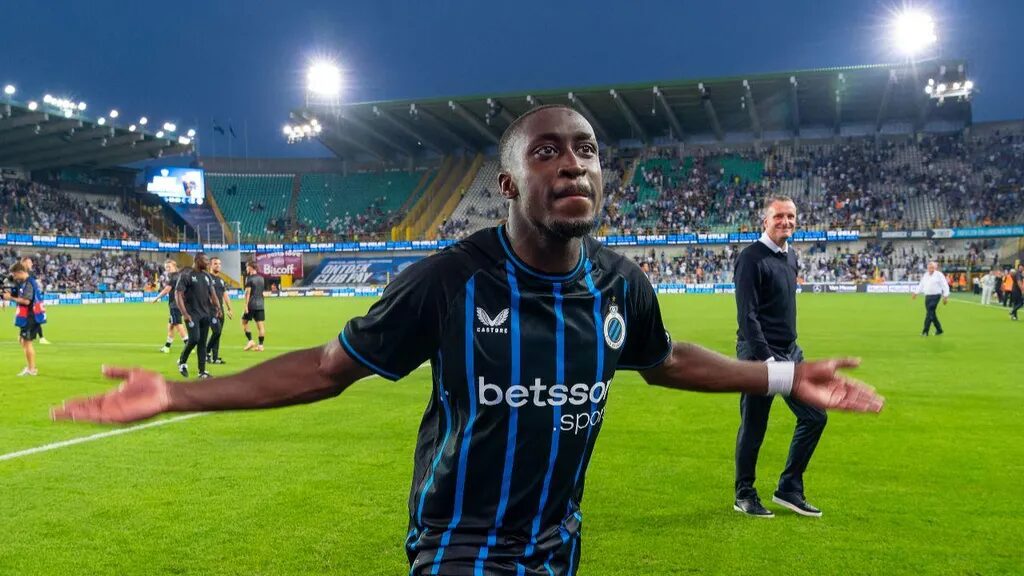
Barcelona’s 4-2-3-1 system prioritized possession and high pressing, but left gaps that Brugge exploited efficiently. Brugge’s compact defensive structure, combined with fast vertical transitions, allowed them to maximize limited possession.
Notable performers:
- Carlos Forbs — 2 goals, 1 assist, Man of the Match
- Lamine Yamal — 7th UCL goal as a teenager, showcasing exceptional skill
- Fermin López — 2 assists, linking midfield and attack creatively
Match Statistics
| Stat | Club Brugge | Barcelona |
|---|---|---|
| Possession | 23.9% | 76.1% |
| Shots (on target) | 10 (6) | 23 (6) |
| Expected Goals (xG) | 2.14 | 2.14 |
| Corners | 0 | 4 |
| Saves | 4 | 3 |
The data highlights Brugge’s efficiency in converting chances, while Barcelona’s possession-heavy approach was less effective defensively.
Conclusion: Lessons from a Belgian Battle
The Club Brugge vs Barcelona encounter offered valuable insights into tactical approaches, player performances, and the unpredictability of Champions League football. Flick acknowledged the defensive lapses, while Brugge’s Forbs praised the team’s efficiency and resilience.
For Barcelona, the match was a reminder that creativity and possession must be backed by defensive solidity. For Brugge, it reinforced belief in their tactical plan and European potential. Ultimately, the 3–3 draw demonstrated why the Champions League remains a platform for thrilling football, emerging stars, and high-stakes drama.


