

Liverpool vs Aston Villa – Liverpool ended a five-game domestic slump with a 2–0 win over Aston Villa, restoring confidence under manager Arne Slot. This match wasn’t just about goals — it reflected tactical recalibration, pressing efficiency, and squad coordination.
By analyzing Liverpool’s approach, this guide explains how pressing structures, attacking interplay, and defensive organization combined to produce a convincing win. The breakdown helps fans and analysts understand why the Reds performed better and how key decisions influenced the result.
Auto play video with neon light modeLiverpool’s Pre-Match Context – Liverpool vs Aston Villa
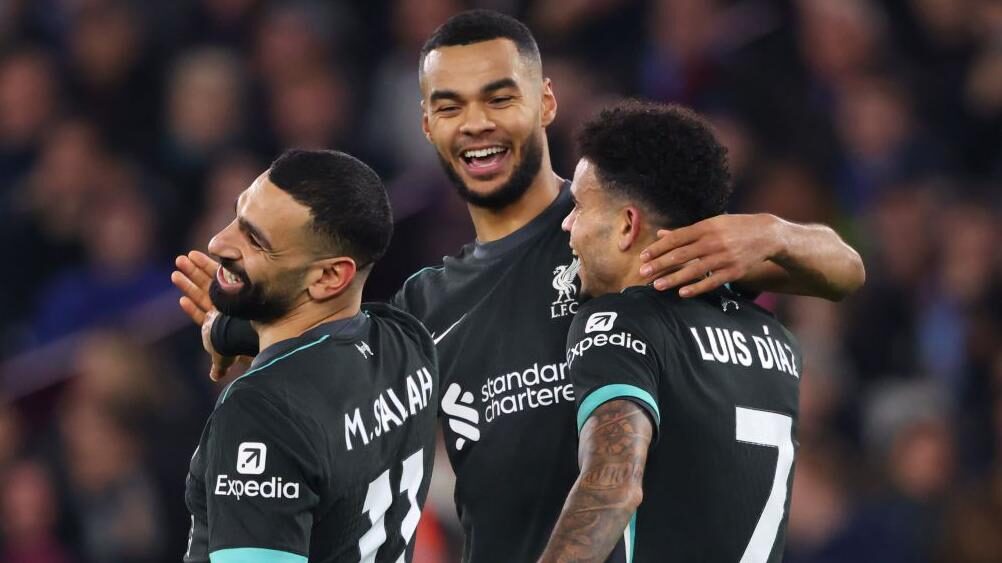
Leading into the match, Liverpool had struggled in both domestic and European competitions. Losses to Brentford, Manchester United, Chelsea, and Crystal Palace left the team in a challenging position, compounded by only one win in seven recent games across competitions.
Challenges before the clash included:
- Defensive instability: Key absences like Alisson, Frimpong, and Leoni weakened the backline.
- Finishing inefficiency: Previous matches saw Salah and Gakpo fail to convert major chances.
- Adapting to Slot’s system: High pressing occasionally exposed gaps during transitions.
Understanding these factors sets the stage for why tactical changes were necessary against Aston Villa.
Aston Villa’s Tactical Profile
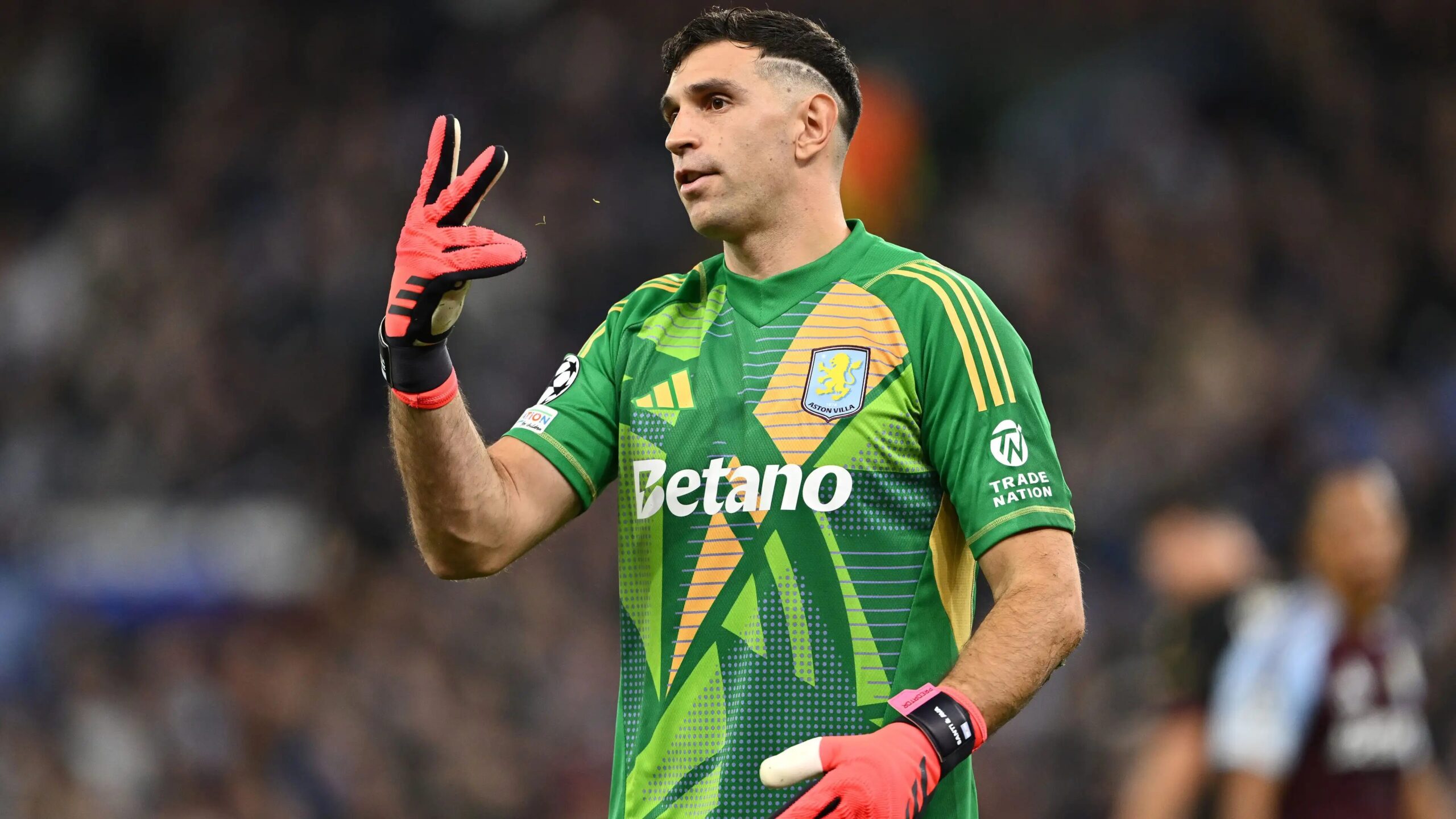
Aston Villa had been in strong form under Unai Emery, unbeaten in the Premier League since August. Defenders Cash, Konsa, and Torres anchored a disciplined backline, while midfielders attempted to balance possession and pressing.
Key aspects of Villa’s play:
- Compact defensive structure to limit spaces between lines.
- Short-passing buildup from the back to control tempo.
- Quick transitions to exploit high lines.
Despite these qualities, Liverpool’s early press disrupted their rhythm, forcing Villa wide and preventing them from controlling key areas. Examples include Martínez mispasses under pressure and failed early combination plays.
How Liverpool Broke Villa Down

Slot’s tactical adjustments were pivotal in unlocking Villa’s defenses.
- Midfield pressing: Szoboszlai and Gravenberch pressed narrowly, forcing Villa’s center-backs to play wide.
- Attacking coordination: Salah, Gakpo, Ekitike pressured defenders in tandem, capitalizing on errors.
- Controlled transitions: Mac Allister, Gravenberch, Szoboszlai dictated tempo between defense and attack.
Key match moments:
- Salah opened scoring at 45+1’ after Martínez miscontrolled a pass.
- Gravenberch scored the second goal in the 58th minute via a deflected strike.
This combination of structured pressing and precise finishing ensured Liverpool’s dominance.
Standout Players and Tactical Contributions

| Player | Role | Key Contribution |
|---|---|---|
| Mohamed Salah | Forward | Scored opener, pressed defenders effectively |
| Ryan Gravenberch | Midfield | Second goal, dominated transitions |
| Dominik Szoboszlai | Midfield | Assisted attacks, controlled tempo |
| Virgil van Dijk | Defense | Commanded backline, restored stability |
| Emiliano Martínez | Goalkeeper | Error led to opener, shifted momentum |
Additional examples: Villa’s offside “goal” by Ekitike highlighted narrow margins, while early saves from Mamardashvili temporarily resisted Liverpool’s dominance, showing how small moments influence outcomes.
Conclusion — Key Takeaways
Liverpool’s 2–0 win over Aston Villa restored confidence and ended a seven-match stretch with only one victory. Tactical adjustments, high pressing, and efficient attacking allowed the Reds to regain form ahead of major fixtures against Real Madrid and Manchester City.
The match demonstrates that coordinated pressing, midfield control, and decisive finishing are critical to overcoming strong opponents. For fans and analysts, Liverpool vs Aston Villa serves as a case study in regaining control, restoring confidence, and reinforcing tactical identity in the Premier League.


